
Castle Rock Bankruptcy Records
Castle Rock is a fast-growing town. About 75,000 people live here. It is the county seat of Douglas County. The town sits between Denver and Colorado Springs. Many families move here. Some face money problems. They may need bankruptcy records. This guide helps you find them.
Castle Rock is in Douglas County
Castle Rock is the heart of Douglas County. The county courthouse is here. The county clerk is here. They keep local records. But not bankruptcy records. Those are federal. They stay in Denver.
For county records, visit the Douglas County offices. They have land records. They have marriage licenses. They have probate files. Visit the Douglas County page for more info. The office is at 301 Wilcox Street. That is in Castle Rock.
Douglas County is affluent. But financial problems hit everyone. Job loss happens. Medical bills pile up. Divorce strains finances. Bankruptcy is a tool. It helps people recover. It gives a fresh start.
Note: Castle Rock residents file bankruptcy in Denver, not at the Douglas County courthouse.
Federal Court for Castle Rock Residents
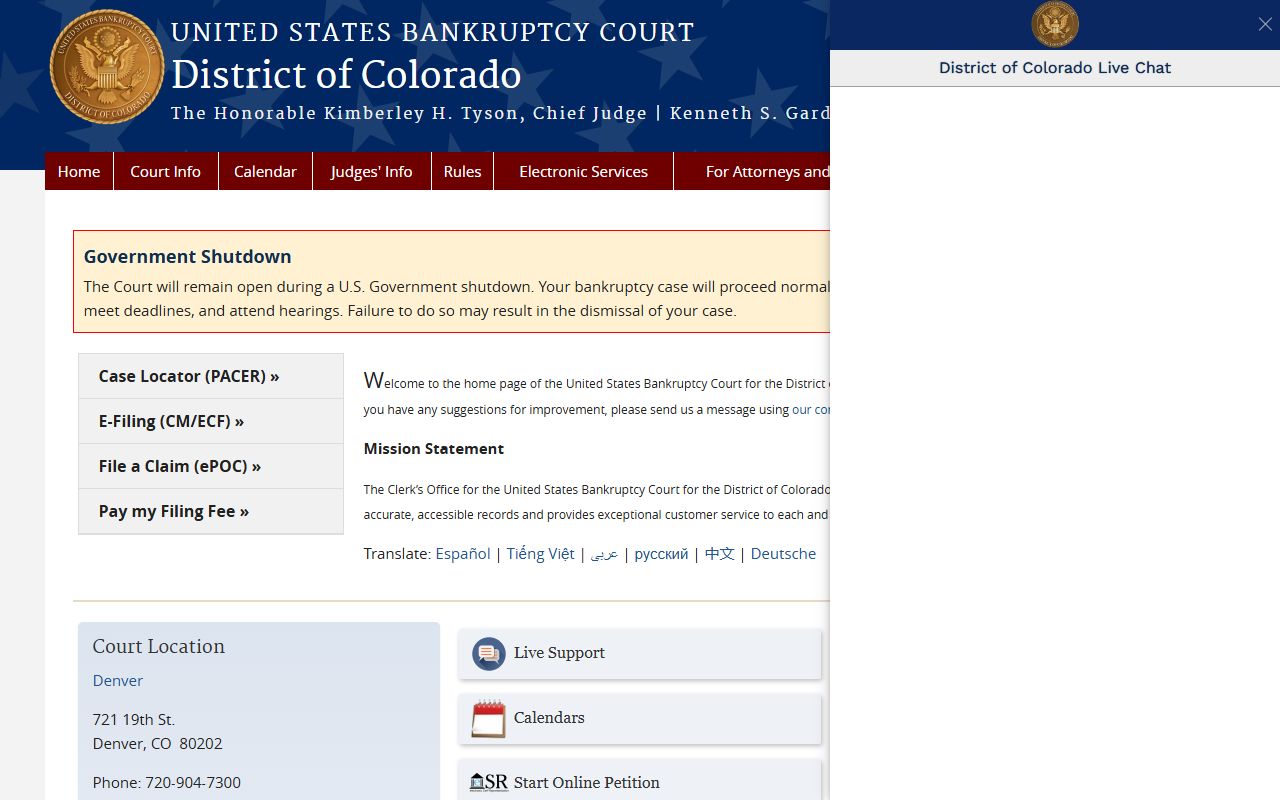
The U.S. Bankruptcy Court is in Denver. The address is 721 19th Street. Castle Rock is thirty miles south. The drive takes forty minutes. Take I-25 north. Traffic can be slow. Plan accordingly.
The court phone is 720-904-7300. The website is www.cob.uscourts.gov. Check the site before visiting. It has useful information. It lists hours. It lists fees. It has forms.
The court is secure. Bring valid ID. Pass through screening. No weapons allowed. The building is professional. Staff are courteous. They help visitors. They answer questions.
Hours are 8:00 AM to 5:00 PM. The records office closes at 4:30 PM. Arrive early. Allow time for parking. Allow time for security. The visit takes planning.
Search Castle Rock Bankruptcy Records Online
PACER is the online option. It saves a trip to Denver. Use it at pacer.uscourts.gov. You need an account. Registration is free. You need a credit card on file.
Fees are reasonable. Ten cents per page. Three dollars per document maximum. Fees under thirty dollars per quarter are waived. Many users pay nothing. This helps casual searchers.
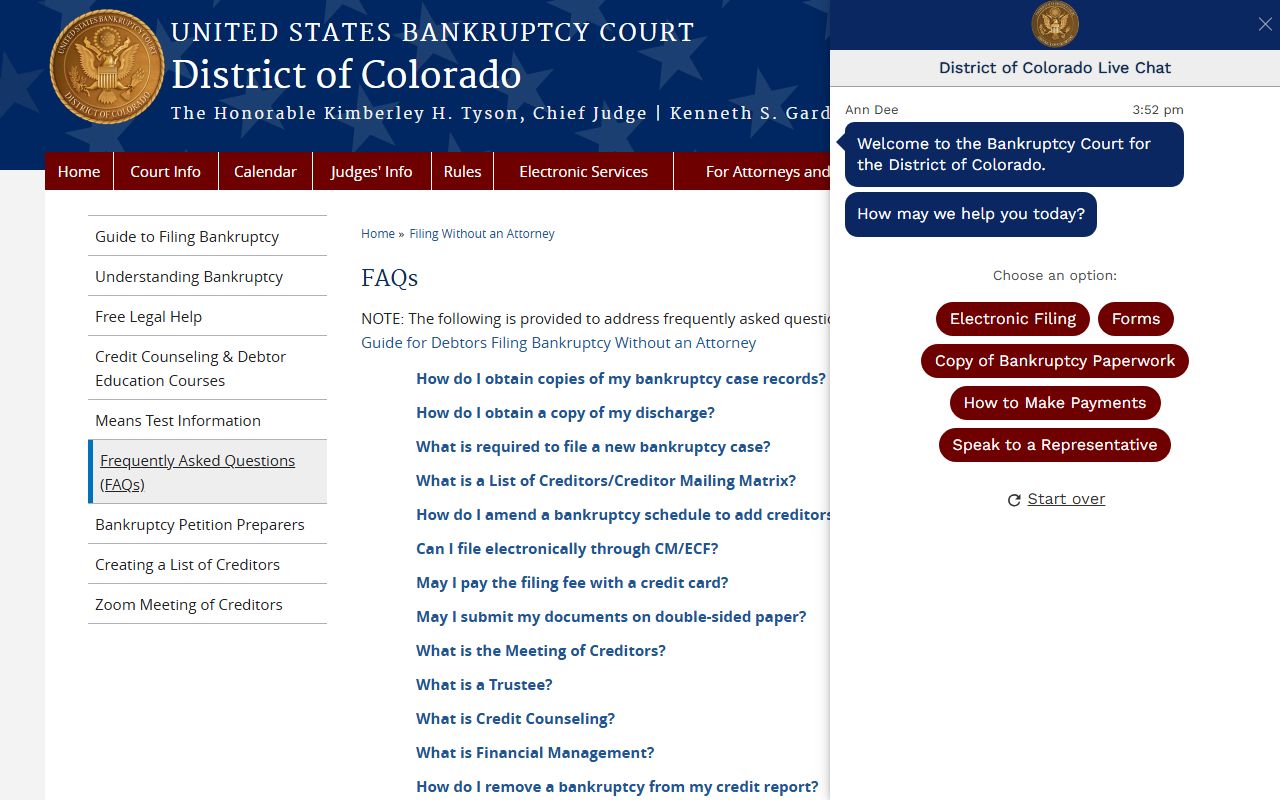
Search by name. Use the debtor's name. Last name first works best. Case numbers work too. If you know it, use it. Results are instant. View documents online. Download PDF copies.
Records from 2001 to now are online. Older cases are archived. You can still get them. Contact the court. Request archived records. Staff will help. It takes a few days.
Legal Resources for Castle Rock Residents
Castle Rock residents can get help. Colorado Legal Services offers free aid. They help low-income people. Visit coloradolegalservices.org. They have offices in the region. Call to find the closest.
The Pro Se Clinic helps too. It is for people filing alone. Volunteer lawyers assist. They explain steps. They review forms. Visit cobar.org/bankruptcy for times. The clinic meets in Denver.
Credit counseling is required. You must complete it before filing. You must complete it after too. Approved providers offer courses. Many are online. Some are by phone. Costs vary by income.
Some residents hire lawyers. Others file alone. Consider your situation. Complex cases need lawyers. Simple cases may not. Weigh the costs. Think about the risks.
Bankruptcy Chapter Types
Most individuals choose Chapter 7 or Chapter 13. Chapter 7 is called liquidation. Assets are reviewed. Exempt property is kept. Non-exempt property may be sold. Most people keep everything. The process takes three to six months. Debts are discharged quickly.
Chapter 13 is reorganization. You make payments. The plan lasts three to five years. You keep your property. You catch up on secured debts. This helps stop foreclosure. It helps with car loans.
- Chapter 7 - liquidation, quick discharge, income limits apply
- Chapter 13 - payment plan, keep property, regular income required
- Chapter 11 - business reorganization, expensive and complex
- Chapter 12 - family farmer reorganization, specialized rules
Fees are set by law. Chapter 7 costs $338. Chapter 13 costs $313. Payment plans are available. Waivers are possible. Low-income filers may qualify. Ask the court about options.
Means testing determines Chapter 7 eligibility. Your income is compared to the state median. If above median, you may file Chapter 13. The test considers household size. It looks at the past six months.