
Alamosa County Bankruptcy Records
Alamosa County sits in the San Luis Valley of southern Colorado. Residents here file bankruptcy at the federal court in Denver. The journey from Alamosa to Denver takes several hours. Yet the court system serves all counties equally. Understanding how to access records remotely saves time and travel costs. This guide covers everything Alamosa County residents need to know about finding bankruptcy records and related documents.
The county seat is Alamosa. The Clerk and Recorder office maintains local records here. While they do not handle bankruptcy cases directly, they keep related documents. Property records and judgment liens matter in bankruptcy proceedings. Knowing how to find both federal and county records gives you a complete picture.
Alamosa County Clerk Contact Information
The Alamosa County Clerk and Recorder office is in the county seat. You can reach them at (719) 589-6681. This office handles many types of records. They record deeds, mortgages, and liens. These documents often connect to bankruptcy cases.
The clerk's office hours are typically Monday through Friday. They open in the morning and close in the afternoon. Calling ahead confirms current hours. The staff can explain how to search their records. Some records are online. Others require an in-person visit.
For those in the San Luis Valley, this office is closer than Denver. Local records may provide clues about financial history. Property transfers and judgments appear here first. Bankruptcy trustees sometimes search these records. They look for assets and liens.
The U.S. Bankruptcy Court for Colorado is located in Denver and can be accessed online at https://www.cob.uscourts.gov/.
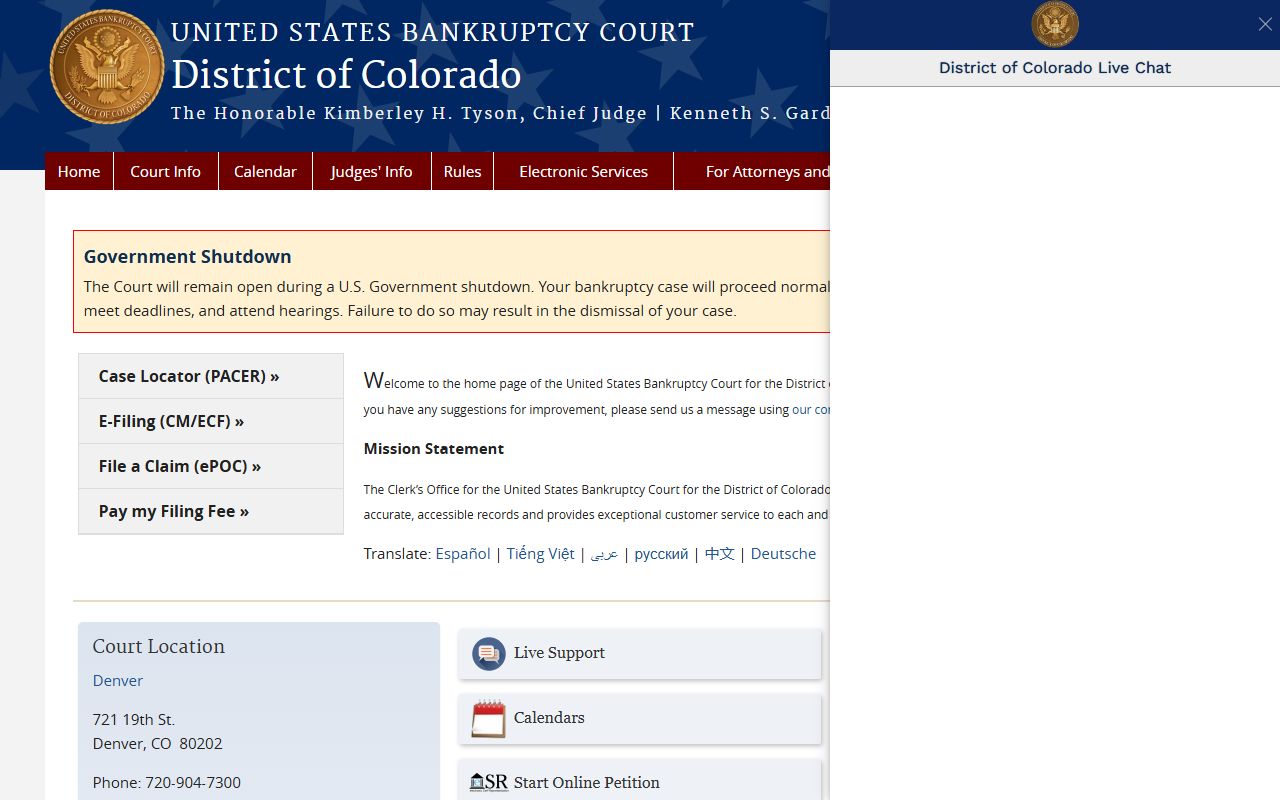
This federal courthouse serves all Colorado counties including Alamosa.
Remote Access to Bankruptcy Records
Distance from Denver makes online access crucial. PACER provides this access. The system stands for Public Access to Court Electronic Records. It is available at https://pacer.uscourts.gov/. You can use it from Alamosa or anywhere with internet.
Creating a PACER account is simple. Visit the website and sign up. You need an email address. You also need to create a password. There is no charge to register. Fees apply only when you view documents.
Once logged in, search for cases from Alamosa County. Use the party name search. Enter the person's first and last name. You can also search by case number if you know it. The system shows matching results. Click on a case to see its docket. The docket lists all filed documents.
Understanding PACER Costs
PACER charges $0.10 per page. This fee applies to most documents. The court sets this rate. It helps fund the electronic system. Fees are small for most users. A single discharge order costs less than a dollar.
There is a fee waiver program. If you use less than $30 in a quarter, you pay nothing. Many occasional users qualify for this. Heavy users pay more. Attorneys and researchers often exceed the waiver amount. The system bills quarterly.
You can pay online with a credit card. You can also set up automatic payments. Keeping your account current ensures access. If you owe more than $50, your account may be locked. Pay promptly to avoid interruption.
Alamosa County Property and Lien Records
Property records tell important stories. They show who owns land in Alamosa County. They also show what debts are attached. Mortgages appear as deeds of trust. Judgments can become liens on property. These records help complete the financial picture.
The County Clerk records property documents. You can search these at their office. Some records date back many decades. Older records may be on microfilm. Newer records are computerized. The staff can help you navigate the system.
UCC records are different. These are filed with the state. UCC stands for Uniform Commercial Code. These filings cover personal property. Cars, equipment, and inventory can be collateral. Search UCC records at https://www.sos.state.co.us/ucc/. This database is free to search.
Types of Bankruptcy Cases
Most individuals file Chapter 7 or Chapter 13. Chapter 7 is liquidation. A trustee sells non-exempt assets. Debts are then discharged. This process takes a few months. Chapter 13 is reorganization. Debtors pay over three to five years.
Businesses may file Chapter 11. This allows continued operation. The business reorganizes its debts. Alamosa County has seen various case types. Farms and ranches sometimes file. Small businesses file too. Individual filings are most common.
Records for all types are public. You can view them through PACER. You can also visit the Denver courthouse. Case files contain detailed financial information. Schedules list all assets and debts. This data helps researchers understand economic conditions.
Note: Most bankruptcy records are public, though some personal information is redacted for privacy protection.
Legal Resources for Alamosa County Residents
Bankruptcy law is complex. Many people need legal help. Free and low-cost help exists for qualifying individuals. Colorado Legal Services serves the San Luis Valley. They have offices in surrounding areas. Call them to ask about services.
Some attorneys offer payment plans. This helps spread out costs. Chapter 13 attorney fees often come from the payment plan. The court approves these fees. Debtors do not pay upfront in most cases. This makes Chapter 13 more accessible.
The federal court website has self-help resources. These are for people filing without lawyers. The forms are available for download. Instructions explain how to complete them. The court also offers information sessions. Check their calendar for dates.
Filing Bankruptcy from Alamosa County
When you file, you can do it electronically. Attorneys use this system. Pro se filers may also e-file. You need training to use the system. The court provides this training. Call the clerk's office for details.
Some documents require original signatures. You may need to mail these. The court address is 721 19th Street, Denver, CO 80202. Their phone is 720-904-7300. Keep copies of everything you send.
The meeting of creditors happens after filing. This is called the 341 meeting. It occurs about a month after the case starts. Currently, many meetings happen by phone. This helps Alamosa County residents. They do not need to drive to Denver.