
Archuleta County Bankruptcy Case Lookup
Archuleta County sits in southwest Colorado. The San Juan Mountains rise nearby. The county seat is Pagosa Springs. This mountain town is known for hot springs. Residents here facing financial hardship file bankruptcy in Denver. The federal court serves all Colorado counties equally. Distance makes online record access especially valuable for Archuleta County residents.
Finding bankruptcy records requires knowing the right resources. Federal cases are not stored locally. They go to the U.S. Bankruptcy Court in Denver. The County Clerk keeps related land records. Understanding both systems helps researchers. This guide covers access methods for Archuleta County.
Archuleta County Clerk and Recorder
The Archuleta County Clerk operates from Pagosa Springs. Their phone number is (970) 264-8350. This office maintains the county's official records. Property documents are recorded here. Marriage licenses are issued. Election administration is another duty.
For bankruptcy research, property records matter. Deeds show property ownership. Mortgages reveal secured debts. Judgment liens are also recorded. These documents help trace financial history. Bankruptcy trustees search these records. They look for assets and claims.
The office is typically open weekdays. Morning hours are usually 8:00 AM to noon. Afternoon hours may vary. Small county offices often have limited staff. Calling ahead is wise. It ensures someone can help you.
Access the U.S. Bankruptcy Court for Colorado at https://www.cob.uscourts.gov/ for case information.
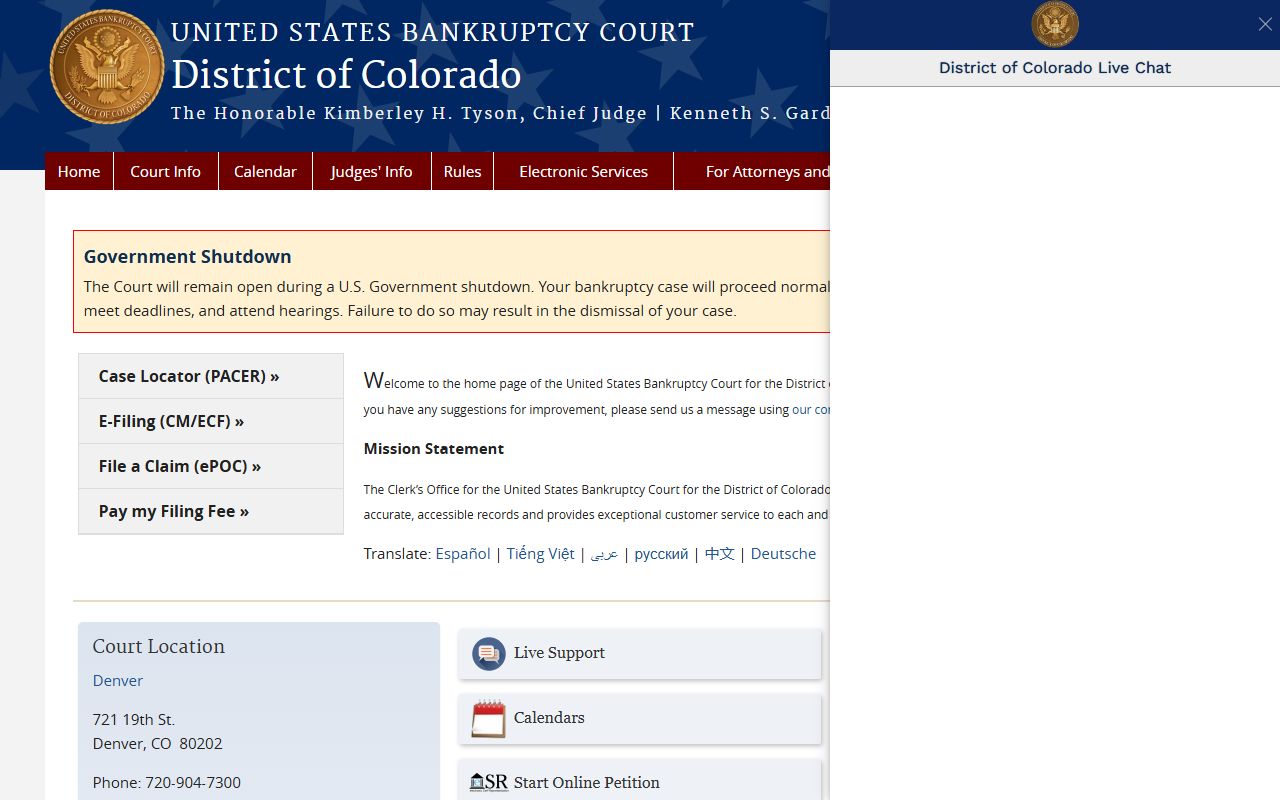
The federal courthouse in Denver serves Archuleta County and all of Colorado.
Accessing Federal Bankruptcy Records
The U.S. Bankruptcy Court for the District of Colorado is at 721 19th Street, Denver. Their phone number is 720-904-7300. This court handles all bankruptcy filings from Archuleta County. The drive from Pagosa Springs takes several hours. Most residents use online access instead.
PACER provides electronic access. The Public Access to Court Electronic Records system is at https://pacer.uscourts.gov/. This database holds case information from 2001 forward. Older cases may be archived. You can search from any location.
Creating a PACER account is free. Registration takes a few minutes. You need a valid email address. Choose a secure password. Once registered, you can search immediately. Fees apply only when viewing documents.
PACER Search Methods
Multiple search options exist. The most common is by party name. Enter the person's full name. First and last are required. Middle names help narrow results. The system searches Colorado federal records. It returns all matching cases.
Case number searches are precise. If you know the number, use it. Bankruptcy case numbers have a specific format. They include the year and case type. For example: 22-12345. This finds the exact case quickly.
Social Security number searches are also possible. This requires extra verification. It protects privacy. Once verified, searches are thorough. They find cases even with name variations. This helps when debtors use nicknames.
Note: PACER fees are waived for users who accrue less than $30 in charges per quarter.
Understanding Bankruptcy Documents
Case files contain many document types. The petition begins the case. It states the chapter being filed. Schedules list all assets and debts. There are schedules for real property and personal property. Others list creditors and income.
The statement of financial affairs is important. It details recent financial history. Income sources are listed. Transfers of property are disclosed. Previous bankruptcies are reported. This document gives a complete picture.
The trustee's reports appear later. In Chapter 7, they report asset findings. In Chapter 13, they track plan payments. The discharge order comes at the end. It officially releases qualifying debts. This is the document most filers want.
Archuleta County Property Research
Land records in Archuleta County go back to territorial days. The Clerk's office maintains these. You can search grantor and grantee indexes. These track property transfers. They show who bought and sold land. This history can be valuable.
Liens attach to real property. Judgment liens are recorded here. They affect property title. Mortgage liens are standard. Tax liens may also appear. Bankruptcy changes how these are treated. Some survive the discharge. Others do not.
The County Assessor also has records. They track property values. Tax records are public. These show property ownership. They also show tax payment history. Unpaid taxes create liens. These must be addressed in bankruptcy.
Filing Costs and Fee Waivers
Bankruptcy filing requires payment. Chapter 7 costs $338. Chapter 13 costs $313. These are court fees. They are separate from attorney fees. The court may allow installment payments. This spreads the cost over time.
Fee waivers exist for Chapter 7. You must prove you cannot pay. The court reviews your income. They look at your expenses. If you are truly unable to pay, they may waive the fee. You must file a specific application.
Chapter 13 does not allow fee waivers. But you can pay in installments. The first payment is due with filing. The rest follow a court-approved schedule. This makes Chapter 13 more accessible. You do not need the full amount upfront.
Legal Help for Mountain Residents
Archuleta County residents can get legal help. Colorado Legal Services serves southwest Colorado. They have offices in the region. Call to check eligibility. Income limits apply. They help with various legal issues.
Some attorneys offer virtual consultations. This helps rural residents. You can meet by phone or video. This saves long drives. Ask about this option. Many lawyers now work remotely.
The court website has self-help materials. These guide pro se filers. Forms are available with instructions. The court cannot give legal advice. But they explain the process. This helps those filing alone.
- Credit counseling must be completed before filing bankruptcy
- Financial management courses are required before discharge
- All assets and debts must be listed accurately
- Meeting of creditors is mandatory for all filers
- Chapter 13 plans last three to five years