
Baca County Colorado Bankruptcy Filings
Baca County lies in the southeastern corner of Colorado. It borders Kansas and Oklahoma. The county seat is Springfield. This rural county has a small population. Agricultural activities dominate the local economy. When residents face overwhelming debt, they turn to the federal bankruptcy court. The court sits in Denver, far from Baca County. This distance makes electronic access essential.
Bankruptcy records help tell the story of financial challenges. Researchers study these patterns. Individuals need records for personal reasons. Creditors use them to verify status. Understanding how to find these records matters. This guide helps Baca County residents and researchers locate bankruptcy documents.
Baca County Clerk and Recorder Information
The Baca County Clerk's office is in Springfield. You can reach them at (719) 523-4372. This office handles the county's official records. Property documents are recorded here. These include deeds and mortgages. The office also handles elections and marriage licenses.
For those researching bankruptcy, property records are relevant. They show real estate ownership. Mortgages appear as security interests. Judgment liens are recorded here too. These documents connect to bankruptcy schedules. They help verify asset listings.
The office hours are typically limited. Small county offices often close for lunch. Calling before visiting is recommended. The staff can explain record access procedures. Some records may be online. Older records might require manual searches.
Find federal bankruptcy case information at https://www.cob.uscourts.gov/.
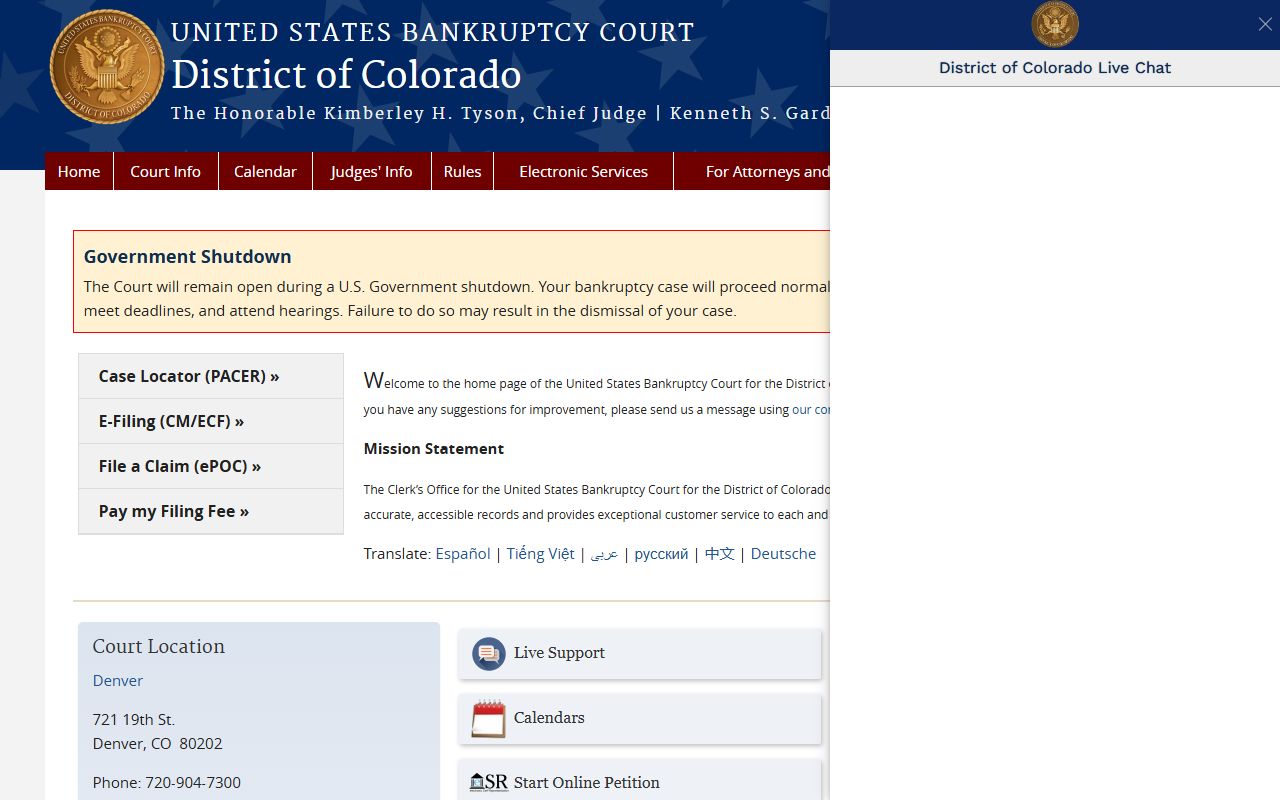
The Denver federal courthouse handles all bankruptcy cases from Baca County.
Federal Court Access for Baca County
The U.S. Bankruptcy Court is at 721 19th Street, Denver, CO 80202. Their phone is 720-904-7300. This court serves all of Colorado. Baca County residents file here. The distance is significant. Online access through PACER is the practical choice.
PACER stands for Public Access to Court Electronic Records. Find it at https://pacer.uscourts.gov/. This system contains bankruptcy case information. Records from 2001 onward are generally available. You can search from anywhere with internet.
Registration is required. It is free to sign up. Provide your contact information. Create login credentials. Once approved, you can search. Fees apply when viewing documents. Most casual users qualify for fee waivers.
How PACER Works
The PACER system is user-friendly. The main page offers search options. You can search by name. You can search by case number. Social Security number search is available too. Each method finds case information.
Search results show basic case details. You see the case number and filing date. The chapter type is listed. Case status appears. You can view the docket sheet. This lists all documents filed. Click any document to view it.
Documents cost $0.10 per page. The maximum per document is $3.00. This caps the cost. Long documents are not expensive. Audio files cost more. They are $2.40 each. Most users never hit the fee waiver threshold.
Types of Bankruptcy for Individuals
Individual debtors usually choose Chapter 7 or Chapter 13. Chapter 7 is liquidation bankruptcy. Non-exempt assets are sold. Proceeds pay creditors. Most unsecured debts are discharged. The process takes three to six months.
Chapter 13 is reorganization. Debtors keep their property. They pay debts over time. The payment plan lasts three to five years. A trustee receives payments. Creditors receive distributions. At the end, remaining debts discharge.
Chapter 11 is for businesses. It allows reorganization. The business continues operating. It also works for individuals with high debt. Regular Chapter 7 and 13 have debt limits. Chapter 11 has none. This is rare for individuals.
Baca County Related Records
Baca County maintains records that relate to bankruptcy. The Clerk's office keeps property records. You can search these for ownership history. Mortgages and deeds reveal financial transactions. These documents are public.
UCC records are at the state level. The Secretary of State maintains these. Search at https://www.sos.state.co.us/ucc/. This database is free. No registration is required. These records show security interests in personal property.
Tax records are also relevant. The County Treasurer handles property taxes. Delinquent taxes create liens. These survive bankruptcy in many cases. The discharge does not remove tax liens. Payment plans may be needed.
Note: Bankruptcy does not eliminate all debts; some obligations like recent taxes and student loans typically remain.
Filing Fees and Costs
Bankruptcy has court costs. Chapter 7 filing fee is $338. Chapter 13 filing fee is $313. These rates apply as of 2024. They change periodically. Check current rates on the court website. Fee waivers may help.
Chapter 7 allows fee waivers. You must qualify by income. The court reviews your finances. If you truly cannot pay, they waive the fee. You file an application. Supporting documents are required.
Attorney fees are separate. Most people hire lawyers. Costs vary by location and complexity. Rural areas may have different rates. Shop around for the best fit. Ask about payment plans. Many attorneys offer them.
Getting Legal Help
Legal assistance is available. Colorado Legal Services helps low-income residents. They serve rural areas including southeast Colorado. Call to check if you qualify. Income guidelines apply. Services are free for those who qualify.
Some lawyers offer unbundled services. You pay for specific tasks. This costs less than full representation. You might hire help for just the filing. Or for a court hearing. This makes legal help affordable.
Pro se filing is possible. This means representing yourself. The court provides forms. Instructions are included. The process is complex. Mistakes can be costly. Consider at least consulting an attorney.
After Discharge: What Happens Next
The discharge order ends the case. It releases qualifying debts. Creditors cannot collect discharged debts. This is a court order. Violating it has consequences. Keep your discharge order safe.
Credit reporting changes after bankruptcy. The filing appears on your report. It stays for seven to ten years. Its impact fades over time. You can rebuild credit. Many people do so successfully.
New credit becomes available. Secured cards are an option. These require a deposit. They help rebuild scores. Car loans may be available. Interest rates are higher at first. They improve with time and good payment history.
- Obtain a copy of your credit report after discharge
- Verify all discharged debts show as included in bankruptcy
- Dispute any errors on your credit report promptly
- Consider a secured credit card to rebuild credit
- Make all payments on time going forward
- Keep your discharge order in a safe place