
Bent County Federal Bankruptcy Records
Bent County is located in southeastern Colorado. The Arkansas River runs through it. The county seat is Las Animas. This historic town sits along the Santa Fe Trail. Bent County is rural. Agriculture forms the economic base. When residents face financial difficulties, they file bankruptcy at the federal court in Denver. The court serves all Colorado counties regardless of distance.
Accessing bankruptcy records from Bent County requires using federal systems. The County Clerk does not maintain these files. However, they do keep related property records. Understanding both federal and county resources helps. This guide explains how Bent County residents can find the records they need.
Bent County Clerk Office Contact
The Bent County Clerk and Recorder is in Las Animas. You can call them at (719) 456-2009. This office maintains official county records. Property documents are filed here. The office also handles elections and vital records.
For bankruptcy researchers, property records are valuable. Deeds show ownership history. Mortgages indicate secured debts. Judgment liens are recorded here. These may appear in bankruptcy filings. Trustees search these records during cases.
The office operates on a typical schedule. Weekday hours are standard. Small county offices may have limited staff. It is best to call ahead. This ensures records are available. Staff can explain search procedures.
Access federal bankruptcy records for Colorado at https://www.cob.uscourts.gov/.
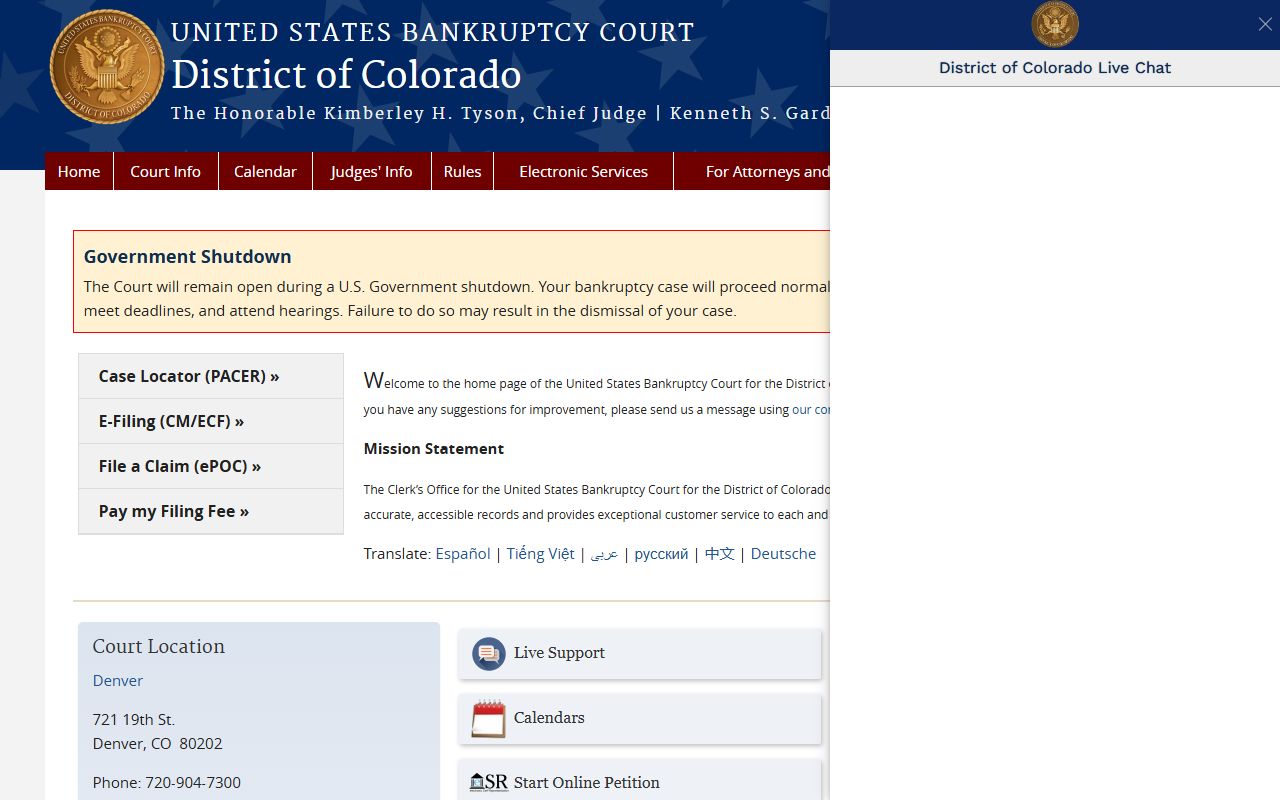
The Denver federal courthouse maintains bankruptcy records for Bent County residents.
U.S. Bankruptcy Court for Colorado
The federal bankruptcy court is at 721 19th Street, Denver, CO 80202. Phone contact is 720-904-7300. This court serves Bent County and all of Colorado. The distance from Las Animas is considerable. Most people use electronic access methods.
PACER is the primary access tool. It stands for Public Access to Court Electronic Records. Visit https://pacer.uscourts.gov/ to use it. The system holds records from 2001 to present. You can search from Bent County or anywhere.
Setting up PACER is free and simple. You provide basic contact information. You create a username and password. Account approval is usually quick. Once active, you can search immediately. Fees apply only when viewing documents.
Using PACER Effectively
Name searches are most common. Enter the debtor's full name. The system searches Colorado federal records. Results display matching cases. You see case numbers and filing dates. Status information is included. Click any case for details.
The docket sheet shows case activity. Every document filed is listed. You can view any document. Most cost $0.10 per page. The $3.00 cap limits costs. You get the complete document. Downloads are available.
Case number searches are faster. If you know the number, use it. This takes you directly to the case. No browsing through results. This is efficient for repeat searches. Save case numbers for future reference.
Note: PACER users who charge less than $30 per quarter pay no fees at all.
Bankruptcy Chapter Options
Individuals typically file Chapter 7 or Chapter 13. Chapter 7 eliminates most unsecured debts. It is called liquidation. Assets above exemption limits are sold. The process completes in months. A discharge ends the case.
Chapter 13 involves repayment. Debtors propose a payment plan. It lasts three to five years. Secured debts may be paid in full. Unsecured debts get partial payment. The discharge comes after plan completion.
Means testing determines eligibility. Higher-income filers may not qualify for Chapter 7. They must use Chapter 13. The means test compares income to state median. Expenses are deducted. Remaining disposable income matters.
Bent County Land and Lien Records
The County Clerk maintains property records. You can search for deeds and mortgages. These documents are public. They reveal real estate ownership. They show secured debt amounts. This information connects to bankruptcy.
Judgment liens are recorded here. Creditors file these after winning lawsuits. They attach to real property. Bankruptcy may or may not remove them. It depends on various factors. The lien may survive the discharge.
UCC filings are with the state. Search at https://www.sos.state.co.us/ucc/. These cover personal property. Farm equipment and vehicles may be listed. These records are free to search. They help verify bankruptcy schedules.
Court Fees and Payment Options
Filing bankruptcy costs money. Chapter 7 requires $338. Chapter 13 requires $313. These are filing fees. They go to the court. Attorney fees are extra. Costs vary by case complexity.
Fee waivers help some Chapter 7 filers. You must prove financial need. The court reviews your situation. If approved, you pay nothing. Applications must be thorough. Include all required documents.
Chapter 13 allows installment payments. Pay part when filing. Pay the rest over time. The court approves a schedule. This makes filing possible. You do not need the full amount upfront.
Finding Legal Assistance
Legal help is available. Colorado Legal Services serves the region. They help low-income residents. Call to learn about eligibility. Free services may be available. Bankruptcy assistance is sometimes offered.
Some attorneys consult by phone. This helps rural residents. You can discuss your case. Learn about your options. Ask about fees upfront. Payment plans may be possible.
The court website offers guidance. Self-help materials are posted. Forms come with instructions. This helps pro se filers. The court cannot advise you. But they explain procedures clearly.
Rebuilding After Bankruptcy
Life improves after discharge. Many Bent County residents rebuild successfully. Start with a budget. Live within your means. Save money for emergencies. This prevents future problems.
Credit rebuilds over time. Start with a secured card. Make payments on time. Your score improves gradually. Check your credit report. Ensure accuracy. Dispute any errors found.
Keep all bankruptcy papers. Store them safely. You may need them later. Some creditors make mistakes. They might try to collect discharged debts. Your papers prove they cannot.