
Delta County Bankruptcy Case Records
Delta County is in western Colorado. It sits along the Gunnison River. The county seat is Delta. This agricultural community serves a rural area. Fruit orchards and farms dominate the landscape. The Grand Mesa rises to the north. When residents face financial hardship, they file bankruptcy at the federal court in Denver. The distance is significant. Online access becomes essential.
Finding bankruptcy records for Delta County requires federal resources. The County Clerk maintains local property records. Understanding both systems helps researchers. This guide explains how to access records for Delta County.
Delta County Clerk and Recorder
The Delta County Clerk and Recorder is in the city of Delta. You can call them at (970) 874-2150. This office maintains the county's official records. Property documents are recorded here. The office also administers elections and issues marriage licenses.
For bankruptcy research, property records are valuable. Deeds show ownership. Mortgages indicate secured debts. Judgment liens are recorded. These documents help complete the financial picture.
The office is typically open weekdays. Calling ahead confirms hours. Staff can explain record access. Some records may be digitized.
The U.S. Bankruptcy Court website is at https://www.cob.uscourts.gov/.
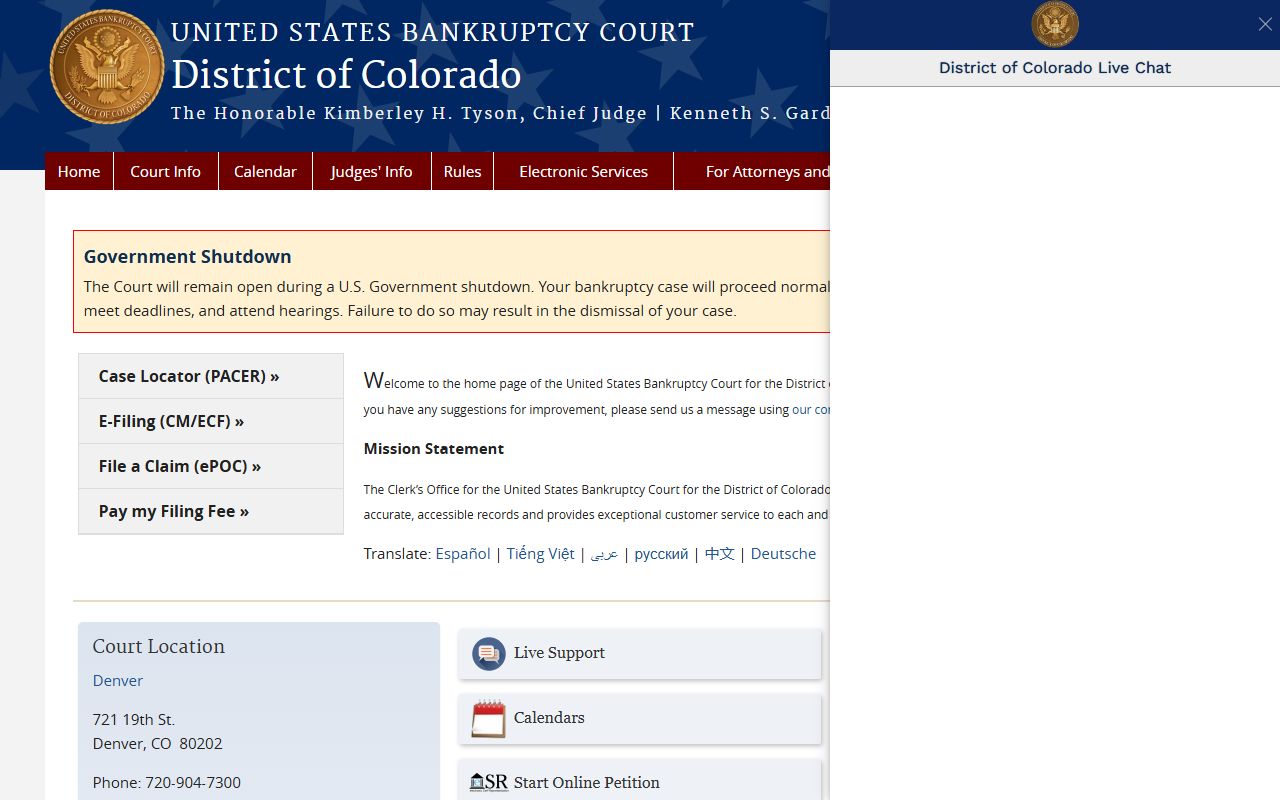
The Denver federal courthouse maintains bankruptcy records for Delta County residents.
Federal Bankruptcy Court Information
The U.S. Bankruptcy Court is at 721 19th Street, Denver, CO 80202. Contact them at 720-904-7300. This court serves all Colorado counties. Delta County is among them. The distance makes online access important.
PACER provides remote access. Visit https://pacer.uscourts.gov/. This system holds records from 2001 forward. You can search from Delta or anywhere.
Creating an account is free. Registration takes minutes. You need an email. Create a secure password. Once verified, you can search. Fees apply only for viewing documents.
Using PACER for Delta County Cases
Name searches are most common. Enter the debtor's full name. The system searches Colorado records. Results show matching cases. You see case numbers and dates. Click for details.
The docket sheet lists all documents. You can view any document. Cost is $0.10 per page. Maximum is $3.00. Downloads are allowed.
Case number searches are direct. If you know the number, use it. This goes straight to the case.
Note: PACER automatically waives fees for users with quarterly charges under $30.
Bankruptcy Chapter Options
Most individuals file Chapter 7 or Chapter 13. Chapter 7 is liquidation. Non-exempt assets are sold. Debts are discharged. The process takes months.
Chapter 13 is reorganization. Debtors keep property. They pay over three to five years. Remaining debts discharge at the end.
Means testing applies to Chapter 7. Income is compared to state median. Those above median may need Chapter 13.
Delta County Property and Lien Records
The County Clerk maintains property records. You can search at the Delta office. Records show ownership history. Mortgages and deeds are filed.
Judgment liens are recorded locally. These attach to property. Bankruptcy may affect them. Some survive discharge.
UCC records are at the state level. Search at https://www.sos.state.co.us/ucc/. This database is free.
Filing Fees and Payment Options
Court filing fees are standard. Chapter 7 is $338. Chapter 13 is $313. Fee waivers exist for Chapter 7. Payment plans work for Chapter 13.
Attorney fees vary. Chapter 7 typically costs $1,200 to $2,500. Chapter 13 ranges $3,000 to $5,000. Payment plans are common.
Legal Resources
Colorado Legal Services serves western Colorado. They help low-income residents. Call to check eligibility.
Some attorneys consult remotely. Phone and video meetings help rural residents.
The court website has self-help materials. Forms and instructions are available.
Rebuilding Credit After Bankruptcy
Life improves after discharge. Start with a budget. Live within your means. Build an emergency fund.
Credit rebuilds over time. Start with secured cards. Make payments on time. Check your credit report regularly.
Keep discharge papers safe. You may need them later. Some creditors make errors. Your papers prove debts are gone.