
Larimer County Colorado Bankruptcy Records Access
Larimer County is one of Colorado's most populous counties. Fort Collins serves as the county seat. Home to Colorado State University, the area has a diverse economy. Residents facing financial hardship may file bankruptcy. These cases become federal records. The U.S. Bankruptcy Court in Denver maintains them. Access is available through multiple channels.
The Larimer County Clerk and Recorder provides related local records. Property documents and liens connect to bankruptcy cases. Understanding both federal and county systems ensures complete research. This guide covers all access methods for Larimer County residents and researchers.
Larimer County Clerk and Recorder Office
The Larimer County Clerk operates a modern records office. The main location is at 200 W. Oak Street, Suite 5000, Fort Collins, CO 80521. Phone number is (970) 498-7820. Hours are Monday through Friday from 8:00 AM to 5:00 PM.
This office maintains extensive property records. Deeds, mortgages, and releases are recorded here. Judgment liens from state courts are also filed. These documents relate directly to bankruptcy cases. Trustees examine them carefully. Property searches help verify asset schedules.
The Larimer County Clerk offers online record access. Their website allows property searches remotely. This saves time for researchers. Older records may require office visits. Staff assistance is available. Copy fees apply to all requests.
The federal courthouse in Denver maintains all bankruptcy records for Larimer County residents.
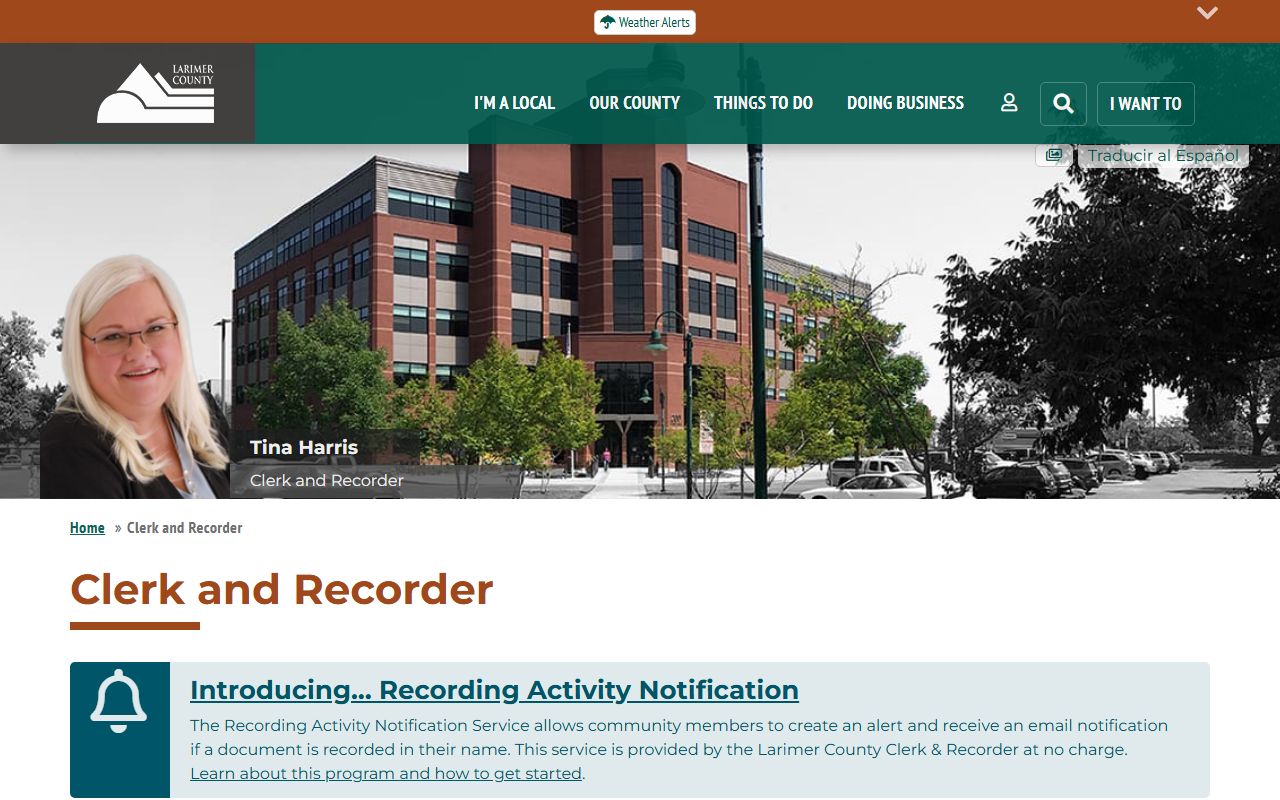
The Clerk and Recorder office serves Fort Collins and all of Larimer County.
Federal Bankruptcy Court Access
Larimer County bankruptcy cases are filed in Denver. The U.S. Bankruptcy Court for the District of Colorado is located at 721 19th Street, Denver, CO 80202. The phone number is 720-904-7300. This federal court serves all Colorado counties including Larimer.
Record access methods include online PACER searches, in-person visits, and written requests. PACER works best for most research needs. In-person access suits urgent requirements. Mail requests serve those preferring traditional methods.
How to Use PACER for Larimer County Cases
PACER stands for Public Access to Court Electronic Records. The system is available at https://pacer.uscourts.gov/. Registration is free and takes minutes. All Colorado bankruptcy filings are searchable. This includes every Larimer County case.
Once registered, searches are straightforward. Enter a debtor name or case number. The system returns matching records. Each page viewed costs $0.10. Documents are capped at $3.00. Users with quarterly charges under $30 receive automatic fee waivers.
Larimer County cases are listed under District of Colorado. Records from 2001 to present are fully electronic. Older cases may require archive retrieval. Documents can be downloaded or printed. Research can be conducted from Fort Collins or anywhere with internet access.
Note: PACER is the preferred research tool for attorneys and frequent users of bankruptcy records.
Larimer County Bankruptcy Filing Fees
Federal bankruptcy filing fees are standardized nationwide. Chapter 7 cases require a $338 filing fee. Chapter 13 cases require a $313 filing fee. Fee waiver applications are available for Chapter 7 filers who cannot afford payment. The court reviews income and expense documentation. Approved waivers eliminate all filing costs.
Chapter 13 cases allow installment payment plans. The court permits up to four payments over time. The first installment is due at filing. Subsequent payments follow a court-approved schedule. Failure to maintain payments can result in case dismissal.
Attorney fees are separate from court costs. Most Larimer County residents hire bankruptcy attorneys for representation. Fort Collins has several law firms practicing bankruptcy law. Fees vary based on case complexity. Simple Chapter 7 cases typically range from $1,000 to $2,500.
Related Records at the County Level
Larimer County maintains several record types connected to bankruptcy proceedings. These local records help complete the financial picture. They verify assets and existing obligations. Important record categories include:
- Real property deeds and mortgage documents
- Judgment liens from Colorado state courts
- UCC financing statements
- Foreclosure records and notices
UCC records are maintained statewide by the Colorado Secretary of State. Access these filings at https://www.sos.state.co.us/ucc/. This database shows secured creditor claims. These often appear in bankruptcy creditor schedules.
Property liens generally survive bankruptcy discharge. The discharge eliminates personal liability but not property encumbrances. Separate action may be needed to clear titles. The Larimer County Clerk can explain recording requirements.
Legal Aid Resources in Larimer County
Legal assistance is available for qualifying Larimer County residents. Colorado Legal Services provides free help to low-income individuals. Their services include bankruptcy counseling and debt advice. Income eligibility requirements apply.
The Larimer County Bar Association offers attorney referral services. They can connect residents with bankruptcy lawyers. Some attorneys provide free initial consultations. Discuss fee structures before hiring representation. Understanding costs upfront prevents later disputes.
The federal bankruptcy court website provides self-help resources. Forms, instructions, and procedural guides are available. These materials assist individuals filing without attorneys. Court staff can explain procedures but cannot provide legal advice.
Finding Discharge Records
The bankruptcy discharge order is the final case document. It releases the debtor from personal liability for discharged debts. This is the most commonly needed record from bankruptcy cases. Discharge orders are available through PACER or directly from the court clerk.
The discharge order specifies which debts were eliminated. It also notes categories of debts that were not discharged. Common non-dischargeable debts include student loans, recent income taxes, and domestic support obligations. The order makes these distinctions clear.
Retain discharge orders indefinitely. They may be needed for future credit applications. Creditors occasionally attempt to collect discharged debts. The discharge order provides legal protection. Larimer County residents should store certified copies securely.
Note: Certified copies of discharge orders are often required when applying for mortgages or dealing with credit reporting issues.