
Access Mesa County Colorado Bankruptcy Records
Mesa County is the most populous county on Colorado's Western Slope. Grand Junction serves as the county seat. The area has a diverse economy including energy, agriculture, and healthcare. Residents facing financial challenges may file bankruptcy. The U.S. Bankruptcy Court handles these cases. Grand Junction has a satellite location for hearings.
Researching Mesa County bankruptcy records involves federal and local systems. The Denver courthouse maintains all files. However, some hearings occur in Grand Junction. The county clerk holds related property records. This guide explains complete access methods.
Mesa County Clerk and Recorder Office
The Mesa County Clerk serves from Grand Junction. The office is at 544 Rood Avenue, Grand Junction, CO 81501. Phone number is (970) 244-1662. Hours are Monday through Friday from 8:00 AM to 4:30 PM.
This office maintains extensive property records. Deeds, mortgages, and liens are recorded here. These documents connect to bankruptcy cases. They show real estate ownership. They reveal existing claims. Trustees examine these filings carefully.
The clerk also records state court judgments. These can become judgment liens. Such liens appear in bankruptcy schedules. Priority disputes sometimes arise. The records help resolve questions. Property searches require specific information.
The federal courthouse in Denver maintains all bankruptcy records for Mesa County residents.
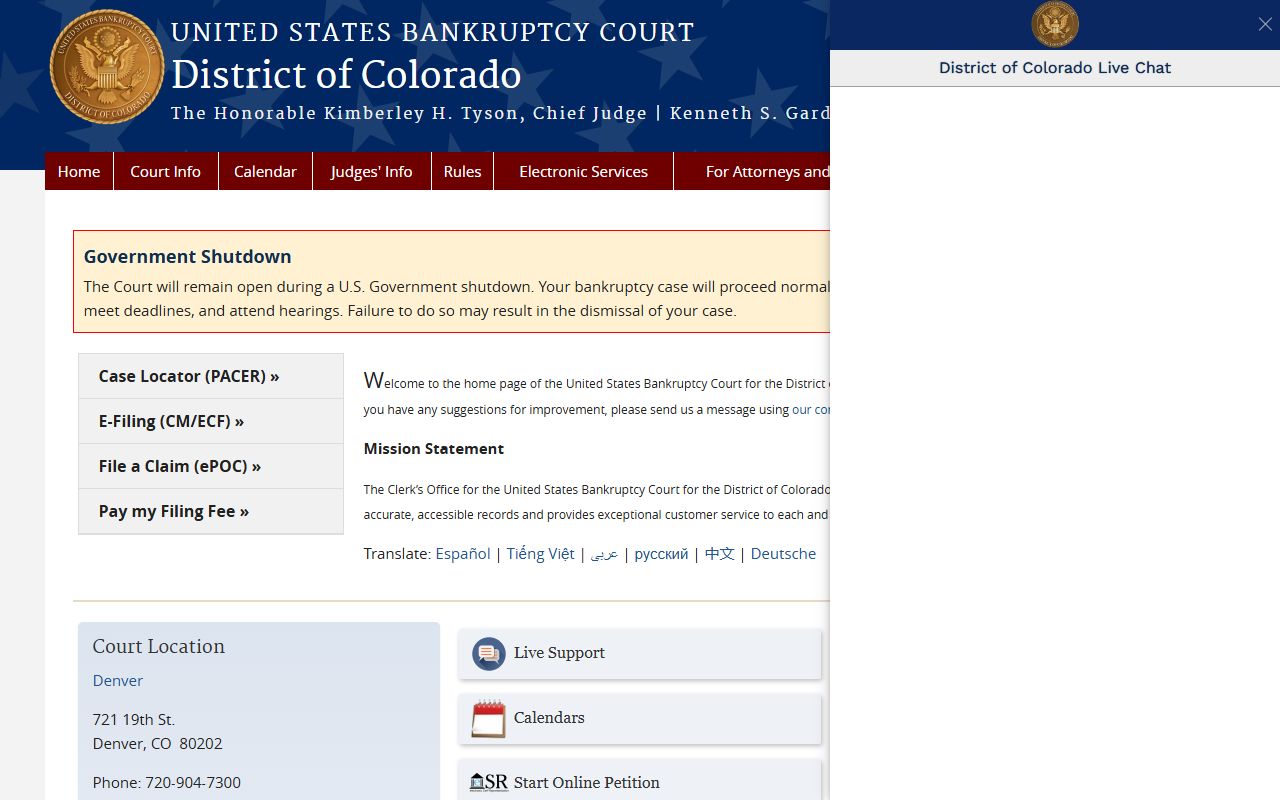
The court building stands at 721 19th Street in downtown Denver.
Federal Bankruptcy Court Access
Mesa County bankruptcy cases are filed in Denver. The U.S. Bankruptcy Court address is 721 19th Street, Denver, CO 80202. Phone number is 720-904-7300. The court serves all Colorado counties. Grand Junction is about 250 miles west of Denver.
The court maintains a satellite location in Grand Junction. This office handles some hearings. It does not store complete case files. The address is 125 S. Cascade Avenue. Some 341 meetings of creditors occur here. This saves travel for Mesa County residents.
How to Use PACER for Mesa County Cases
PACER provides online access to court records. Visit https://pacer.uscourts.gov/ to register. The system covers all Colorado bankruptcy filings. This includes Mesa County cases.
Registration is free and quick. Once registered, you can search. Use debtor names or case numbers. Results display instantly. Each page costs ten cents to view. Documents have a three dollar cap. Quarterly fees under thirty dollars are waived.
Mesa County cases appear under District of Colorado. Records from 2001 onward are online. Older cases may need archive requests. Documents can be downloaded or printed. Research works from Grand Junction. No travel to Denver is needed.
Note: The Grand Junction satellite office makes it easier for Mesa County residents to attend required hearings without traveling to Denver.
Mesa County Bankruptcy Filing Fees
Federal filing fees are standardized nationwide. Chapter 7 cases cost $338. Chapter 13 cases cost $313. Fee waivers exist for qualifying Chapter 7 filers. The court reviews income documentation. Approval means no filing fee.
Chapter 13 allows installment payments. The court permits up to four payments. First payment is due at filing. Subsequent payments follow a schedule. Missing payments can cause dismissal. Stay current to protect your case.
Attorney fees are separate. Mesa County has several bankruptcy attorneys. Grand Junction lawyers serve the Western Slope. Fees vary by complexity. Simple Chapter 7 cases may cost $1,000 to $2,500. Chapter 13 cases typically cost more.
Related Records at the County Level
Mesa County maintains records connected to bankruptcy. These sources provide important financial information. They help complete the picture. Key records include:
- Property deeds and mortgage documents
- State court judgment liens
- UCC financing statements
- Trust deeds and releases
UCC records are statewide. Search them at https://www.sos.state.co.us/ucc/. The Secretary of State maintains this database. It shows secured creditor claims. These appear in bankruptcy schedules.
Property liens survive bankruptcy discharge. Discharge does not erase them from real estate. Separate action is needed. The Mesa County Clerk can explain requirements.
Legal Aid Resources in Mesa County
Legal help is available for qualifying residents. Colorado Legal Services serves the Western Slope. They assist low-income individuals. Bankruptcy counseling is offered. Other debt help is available too.
The Mesa County Bar Association provides referrals. They connect people with attorneys. Some lawyers offer free consultations. Ask about fees upfront. Understand costs before hiring.
The federal court website has self-help materials. Forms and instructions are downloadable. These help pro se filers. Representing yourself is possible. Court staff explains procedures. They do not give legal advice.
Finding Discharge Records
The discharge order ends bankruptcy. It eliminates qualifying debts. This is the key document. Get it from PACER or the court. Both sources provide certified copies.
The order specifies discharged debts. It also notes exceptions. Certain obligations remain. Student loans typically survive. Recent taxes may stay due. Child support continues. The discharge clarifies these.
Keep discharge orders forever. You may need proof later. Creditors sometimes pursue old debts. The discharge stops collection. Mesa County residents should store copies securely.
Note: Your discharge order proves that your qualifying debts were legally eliminated through the bankruptcy process.