
Mineral County Bankruptcy Court Documents
Mineral County is one of Colorado's smallest counties. Creede serves as the county seat. This mountain community sits in the San Juan Mountains. The county has a tiny population. Residents facing debt may file bankruptcy. These cases go to the Denver federal court.
Researching bankruptcy records for Mineral County requires remote access. Creede is far from Denver. Online systems are essential. The county clerk maintains local property records. These relate to bankruptcy cases. This guide explains complete access.
Mineral County Clerk and Recorder Office
The Mineral County Clerk serves from Creede. The office is at 1201 N Main Street, Creede, CO 81130. Phone number is (719) 658-2440. Hours are limited. Call ahead to confirm availability.
This small office records property documents. Deeds and mortgages are filed here. These matter in bankruptcy cases. They show what real estate is owned. They reveal prior claims. Trustees review these filings.
The clerk also records judgments. State court decisions become liens. Bankruptcy affects these claims. The discharge may not remove them. Research requires office visits. Staff can help with searches.
The federal bankruptcy court in Denver maintains all case records for Mineral County.
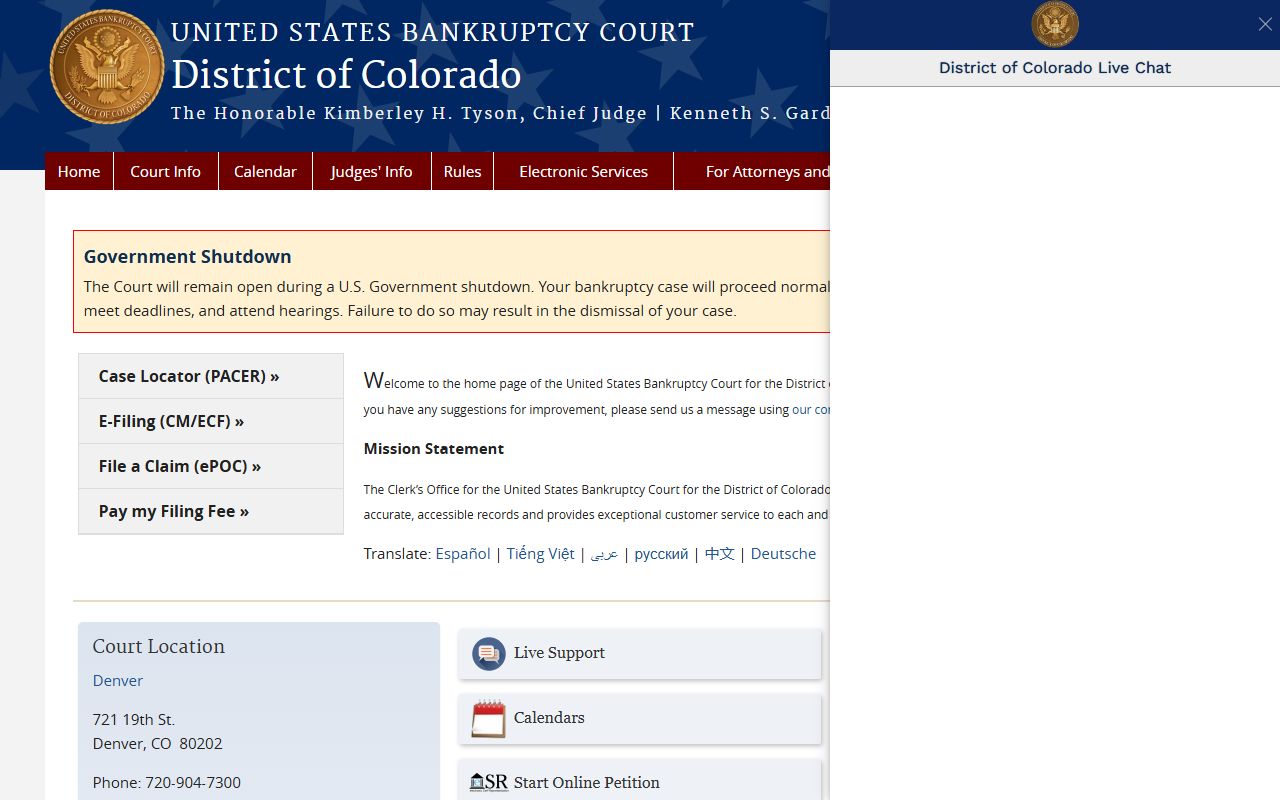
The court building is located at 721 19th Street in Denver.
Federal Bankruptcy Court Access
All Mineral County cases go to Denver. The U.S. Bankruptcy Court is at 721 19th Street, Denver, CO 80202. Phone is 720-904-7300. This court serves all Colorado counties. Creede is in the remote southern mountains.
Access options are limited for remote areas. PACER online access is essential. Mail requests work for formal needs. In-person visits require long travel. Most residents use online systems.
How to Use PACER for Mineral County Cases
PACER provides online court record access. The site is https://pacer.uscourts.gov/. Registration is free. The database covers Colorado cases. Mineral County filings are included.
Creating an account is simple. Provide basic information. Verify your email. Start searching. Use names or case numbers. Results appear quickly. Each page costs ten cents. Documents cap at three dollars. Small quarterly fees are waived.
Mineral County cases list under District of Colorado. Records from 2001 are online. Older cases need archive access. Download what you need. Work from Creede. No mountain travel required.
Note: For remote counties like Mineral, PACER is often the only practical way to access bankruptcy records.
Mineral County Bankruptcy Filing Fees
Federal fees are the same everywhere. Chapter 7 costs $338. Chapter 13 costs $313. Fee waivers exist for qualifying Chapter 7 filers. Income proof is required. The court reviews it. Approval means free filing.
Chapter 13 allows payment plans. Four installments are permitted. First payment at filing. Others follow a schedule. Keep payments current. Dismissal follows missed payments.
Attorney fees are extra. Mineral County has no local bankruptcy attorneys. Residents hire lawyers from larger cities. Denver and Pueblo are options. Some attorneys work remotely. Fees vary by complexity.
Related Records at the County Level
Mineral County keeps records tied to bankruptcy. These show financial history. They document assets. Review these sources:
- Property deeds and mortgages
- Judgment liens
- UCC financing statements
UCC records are statewide. Access them at https://www.sos.state.co.us/ucc/. The Secretary of State maintains this. Secured creditors file here.
Property liens survive bankruptcy. Discharge does not erase them. Separate action is needed. The Mineral County Clerk can explain.
Legal Aid Resources for Mineral County
Free legal help exists for qualifying residents. Colorado Legal Services serves southern Colorado. They assist low-income individuals. Bankruptcy counseling is available. Other debt help too.
Attorney referrals come from bar associations. The Colorado Bar can help. Some lawyers offer free consultations. Ask about fees early. Know the total cost.
The federal court provides self-help resources. Their website has forms. Instructions are clear. Pro se filing is possible. Court staff helps with process. They do not give legal advice.
Finding Discharge Records
Discharge orders end bankruptcy cases. They cancel qualifying debts. This document is vital. Get it from PACER. The court clerk also provides copies.
The order shows what was discharged. It notes what remains. Some debts are not dischargeable. Student loans usually stay. Recent taxes too. Support obligations continue.
Save discharge orders permanently. You may need proof later. Creditors might try to collect. The discharge stops this. Mineral County residents need secure storage.
Note: Store your discharge order safely with your other important legal documents.