
Phillips County Bankruptcy Filings
Residents of Phillips County seeking bankruptcy records need to understand where these documents are stored. Bankruptcy cases are federal matters. They do not reside in county courthouses. The U.S. Bankruptcy Court for the District of Colorado handles all filings. This court sits in Denver. The county seat of Phillips County is Holyoke. Many residents here face financial hardship. They need access to case information. Understanding the process helps. Records provide clarity about debt relief options. They show discharge dates and creditor meetings. This information matters for rebuilding credit. It also helps with legal research. You can search for cases online. The PACER system provides digital access. This guide explains your options. It covers both federal and county resources. Start your search informed.
Federal Court Records for Phillips County
The U.S. Bankruptcy Court serves Phillips County residents from its Denver location. This courthouse sits at 721 19th Street. The zip code is 80202. You can reach them by phone at 720-904-7300. This office manages all bankruptcy petitions. They handle Chapter 7 liquidations. They also process Chapter 13 repayment plans. Some farms file Chapter 12. Business restructurings use Chapter 11. Each case receives a unique case number. This number follows the filing date. The format includes the year and division.
Filing bankruptcy starts a legal process. The automatic stay goes into effect. This stops most collection actions. Creditors cannot call you. They cannot garnish wages. Foreclosure proceedings halt. This protection helps debtors. It provides breathing room. The court appoints a trustee. This person reviews your paperwork. They oversee asset distribution. Trustees conduct the 341 meeting. This meeting happens about a month after filing. Creditors may attend. They rarely do in consumer cases. The meeting is brief. It usually lasts ten minutes. The trustee asks questions. You must answer truthfully. Recordings exist of these proceedings. They become part of the case file.
Discharge orders end most cases. This order releases you from debt. It arrives about sixty days after the creditor meeting. Not all debts disappear. Student loans remain. Recent taxes stay. Child support continues. You must pay these. The discharge applies to credit cards. Medical bills go away. Personal loans vanish. This fresh start helps many. Rural communities benefit greatly. Phillips County residents use this process. It helps them recover. It protects family farms. It saves homes from foreclosure. The federal system works fairly. It treats all filers equally. Rules apply statewide. Colorado exemptions protect property. You can keep your home. You can keep your vehicle. Tools of trade stay safe. Learn these rules early.
County Clerk Resources in Holyoke
The Phillips County Clerk and Recorder maintains important records. Their office sits in the Holyoke courthouse. The phone number is (970) 854-3131. These officials do not keep bankruptcy files. Federal courts handle those. But the clerk keeps related documents. Judgment liens appear here. Property records exist in this office. UCC financing statements are filed here too. These records matter. They show secured debts. They document real estate transfers. Foreclosure records appear after bankruptcy ends. The clerk's office provides certified copies. These cost a small fee. You need them for legal matters.
Property searches help identify assets. The clerk maintains deed records. They keep mortgage documents. They record lien releases. After bankruptcy, creditors must release liens. Sometimes they forget. The discharge order helps. Present it to the clerk. They can process releases. This clears your title. It improves your credit report. The clerk also handles marriage licenses. They manage birth certificates. Death records stay here too. These documents help prove identity. You need ID for bankruptcy filing. Social Security cards matter. Driver's licenses work. Passport copies help. Gather these documents early. It speeds up the process.
Note: County offices close on federal holidays and may have reduced hours during inclement weather common in northeast Colorado.
Accessing PACER for Digital Records
PACER stands for Public Access to Court Electronic Records. This system holds bankruptcy documents. Visit pacer.uscourts.gov to register. You need an account. Registration is free. Searching incurs costs. Each page costs ten cents. Documents add up quickly. Most case summaries are free. You can view the docket. This lists all filings. It shows motions. It displays orders. Hearing dates appear here. You can download forms. Attorney entries show representation. Trustee assignments are listed. This system updates daily. New filings appear quickly. It covers all federal courts. Colorado is included.
Using PACER requires a computer. You need internet access. The system works on phones. Tablets function too. Searches use party names. You can search by case number. Social Security numbers are partially hidden. Privacy rules protect filers. You cannot see full financial details. Specific account numbers hide. This protects identity. You can still research cases. Patterns emerge from data. You see filing trends. You notice discharge rates. This helps with expectations. Local attorneys appear often. You can see their success rates. Research helps choose lawyers. It prepares you for meetings. Knowledge reduces anxiety. It empowers filers.
UCC and Lien Searches at State Level
The Colorado Secretary of State manages UCC records. Visit sos.state.co.us/ucc to search. UCC stands for Uniform Commercial Code. These are secured transactions. They involve collateral. Cars serve as collateral. Equipment does too. Farm machinery qualifies. Business inventory works. Lenders file UCC-1 statements. These create liens. The liens attach to property. Bankruptcy affects these liens. Secured debts survive discharge. You must pay to keep property. The lender can repossess. They need court permission. The automatic stay protects you. It lasts during the case. Reaffirmation agreements help. You promise to pay. You keep the asset.
Searching UCC records helps before filing. You see who has claims. You list all creditors. Complete lists are required. Missing creditors causes problems. The discharge might not cover them. You could still owe money. Accurate searches prevent this. The state database is free. You can search by debtor name. Business names work too. Filing numbers help. Results show filing dates. They display collateral descriptions. Secured party names appear. You can download filings. Certified copies cost money. Preliminary reports are free. Print these for your attorney. They need complete information. It speeds up preparation. It reduces errors.
Legal Aid for Phillips County Residents
Legal help exists for low-income residents. Colorado Legal Services assists qualified applicants. They help with bankruptcy questions. They review paperwork. They explain options. Call them to learn more. They serve rural areas. They understand farm issues. Agricultural bankruptcy differs. Chapter 12 exists for farmers. It has special provisions. Legal aid knows these rules. They provide free consultations. Income limits apply. Asset tests exist. They prioritize seniors. Disabled individuals get help. Veterans receive assistance. Domestic violence survivors qualify. Apply early. Waitlists exist. Demand exceeds supply.
Attorney referral services help too. The Colorado Bar Association provides lists. You can find bankruptcy specialists. Many offer payment plans. Initial consultations are often free. Ask about fees upfront. Understand the total cost. Filing fees exist too. The court charges money. Fee waivers help some. You must prove hardship. Unemployment qualifies. Low income works. Public assistance recipients apply. Forms are available at the court. Fill them out carefully. Attach supporting documents. Pay stubs help. Tax returns prove income. Bank statements show assets. Complete packets process faster. The judge reviews requests. Decisions come quickly.
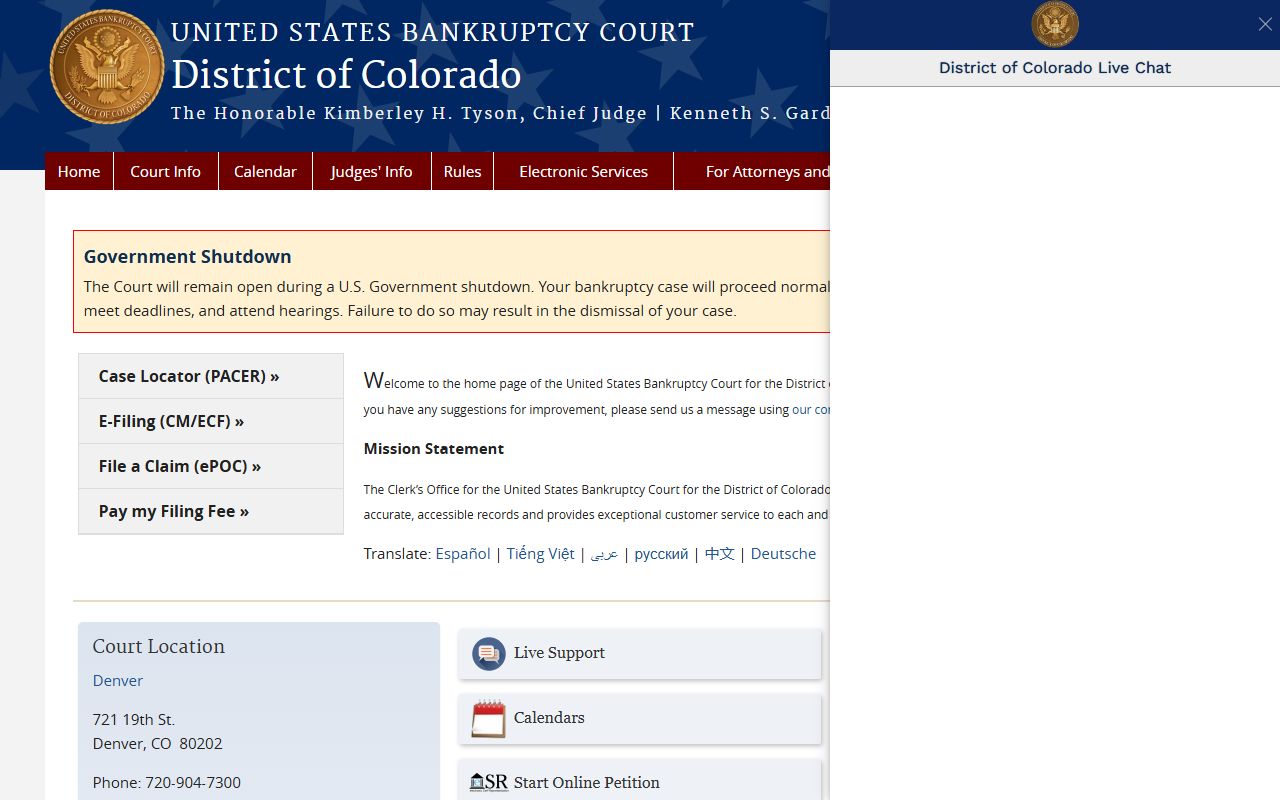
The U.S. Bankruptcy Court in Denver serves all of Colorado including Phillips County residents seeking debt relief.
Understanding Credit Reports After Discharge
Bankruptcy appears on credit reports. Chapter 7 stays ten years. Chapter 13 remains seven years. This seems long. Recovery happens faster. Many rebuild credit within two years. Secured cards help. They require deposits. Use them wisely. Pay in full monthly. Credit unions assist. They offer fresh start programs. Local banks participate. Ask about products. They understand bankruptcy. They see it often. Do not avoid credit entirely. Responsible use rebuilds scores. Monitor your reports. Check them annually. Free reports exist at annualcreditreport.com. Verify accuracy. Dispute errors promptly.
Your discharge order matters. Keep copies forever. Lenders may ask for it. It proves debts are gone. Some creditors ignore it. They violate federal law. Report violations. The court can punish them. You might get damages. Attorneys handle these cases. Do not tolerate abuse. Know your rights. The discharge is powerful. It protects you. Use it fully. Rebuild with confidence. Plan for the future. Save money regularly. Emergency funds prevent re-filing. Budget carefully. Track spending. Live within means. Financial education helps. Classes are required. They teach budgeting. You complete them before discharge. Take them seriously. Apply the lessons.
Frequently Asked Questions
Can I file bankruptcy in Holyoke? No. You must file at the federal courthouse in Denver. The U.S. Bankruptcy Court handles all Colorado cases from its Denver location at 721 19th Street.
How much does it cost to file? Chapter 7 costs $338. Chapter 13 costs $313. These are court filing fees. Attorney fees are additional. Fee waivers exist for qualified low-income filers.
Will I lose my farm? Colorado exemptions protect some equity. Agricultural exemptions exist. Consult an attorney. Chapter 12 offers additional farm protections. Each situation differs.
How long does the process take? Chapter 7 typically completes in four to six months. Chapter 13 plans last three to five years. Chapter 12 follows similar timelines to Chapter 13.