
Pitkin County Court Records Search
Finding bankruptcy records in Pitkin County requires understanding the court system. Aspen is the county seat. This mountain community sits high in the Rockies. Residents here face unique financial pressures. Housing costs are extreme. Seasonal employment fluctuates. Tourism drives the economy. These factors create challenges. Bankruptcy becomes necessary for some. The process helps discharge debt. It provides a fresh financial start. All bankruptcy cases are federal. The U.S. Bankruptcy Court handles them. The Denver courthouse serves Pitkin County. Records are available online. PACER provides digital access. Physical visits are possible too. This guide explains the system. It helps you find documents. It clarifies the process.
Federal Bankruptcy Court Access
The U.S. Bankruptcy Court for the District of Colorado maintains all bankruptcy records. The main courthouse stands at 721 19th Street in Denver. The phone number is 720-904-7300. This location serves Pitkin County residents. Aspen is far from Denver. Distance complicates access. Most people use online tools. PACER is the primary system. It hosts millions of documents. Cases from 2001 forward are digital. Older cases may need special requests. The clerk's office assists. They provide certified copies. These require payment. Fees are set by federal law.
Bankruptcy cases follow strict procedures. Chapter 7 liquidates assets. Chapter 13 reorganizes debts. Chapter 11 handles business restructurings. Each chapter has different rules. Filing triggers the automatic stay. This stops creditor actions. Foreclosures pause. Garnishments cease. Collection calls must end. This protection is immediate. It lasts through the case. Violators face penalties. The court enforces these rules. Trustees oversee cases. They review petitions. They verify information. They conduct meetings. These are called 341 meetings. Creditors may attend. They rarely do. The trustee asks questions. Debtors must answer truthfully. This process creates records. All discussions are documented.
Discharge orders complete most cases. These orders eliminate debt. They arrive months after filing. Chapter 7 moves faster. It takes about four months. Chapter 13 takes years. Payment plans last three to five years. Discharge happens after completion. The order is valuable. Keep copies permanently. It proves debts are gone. Creditors must update reports. Credit files should reflect discharge. Errors happen. Monitor your reports. Dispute inaccuracies quickly. The discharge order helps. It is legal proof. Use it when needed. Some lenders require copies. Mortgage applications need them. Landlords may ask. Be prepared.
Pitkin County Clerk and Recorder Office
The Pitkin County Clerk operates from Aspen. Their phone number is (970) 920-5180. This office handles important records. They do not keep bankruptcy files. Those stay federal. But they maintain related documents. Property records are here. Deeds and mortgages are recorded. UCC liens are filed. Judgment liens appear here. These connect to bankruptcy. Secured debts survive discharge. Property liens remain. You must address them separately. The clerk releases liens. They need proper documentation. Court orders help. Payment records work. Release forms are required.
Searching property records helps. You can visit the office. Online search exists too. The clerk provides access. Fees apply for copies. Certified copies cost more. These are official. They carry legal weight. Title companies use them. Attorneys need them. Individuals can request them. Property research takes time. Staff can assist. They know the system. Ask for help. They guide searches. Records date back decades. Microfilm holds old documents. Digital records are newer. Both formats exist. Plan your visit. Hours are limited. Mountain offices close early. Weather affects access. Winter travel is hard.
Recording documents requires fees. The clerk sets these rates. They change periodically. Check current prices. Bring exact payment. Cash works. Checks are accepted. Credit cards may work. Call ahead to confirm. Forms must be complete. Incomplete filings reject. This wastes time. Prepare documents carefully. Legal descriptions matter. They must be precise. Errors cause delays. Professional help assists. Title companies prepare documents. Attorneys review filings. Self-filing is possible. It requires care. Study requirements first.
Using PACER for Electronic Records
PACER offers comprehensive access. Visit pacer.uscourts.gov to begin. Registration is simple. Provide basic information. Verify your email. Accounts activate quickly. The system charges fees. Each page costs ten cents. Most documents are affordable. Large files add up. Case summaries are free. Docket sheets show activity. They list all filings. Motions appear here. Court orders display. Hearing schedules post. You can track cases. Updates happen daily. Search by name. Use case numbers. Partial Social Security numbers work. Privacy protections exist. Full numbers hide. Financial details are limited.
Learning PACER takes time. The interface is functional. It is not modern. Patience helps. Tutorials exist online. Help pages guide users. The system is reliable. It rarely fails. Documents download as PDFs. They are official copies. They match physical files. Courts accept them. Attorneys use PACER daily. It is standard practice. Self-represented filers can too. Training resources help. Videos explain features. FAQs answer questions. Phone support exists. They resolve issues. Billing questions matter. Monthly statements arrive. Payment is required. Keep accounts current. Access suspends for non-payment.
Note: PACER fees are waived if you spend less than $30 per quarter, making most individual case research free for casual users.
Colorado UCC and Lien Database
Secured debts are recorded at the state level. The Colorado Secretary of State maintains UCC records. Visit sos.state.co.us/ucc to search. UCC stands for Uniform Commercial Code. These filings create security interests. Collateral backs loans. Vehicles serve as collateral. Equipment qualifies too. Boats are included. Business assets work. Lenders file UCC-1 forms. These perfect their liens. Perfection establishes priority. Earlier filings win. This matters in bankruptcy. Secured creditors get paid first. They have special rights. Their liens survive discharge.
Searching UCC records is free. The database is public. No login required. Enter debtor names. Individual names work. Business names too. Results show filings. Dates display clearly. Secured party names appear. Collateral descriptions attach. You can view filings. PDF downloads work. Certified copies cost money. Search carefully. Name variations matter. Try different spellings. Initials affect results. Middle names help. The system is comprehensive. It covers all Colorado counties. Pitkin County filings appear. Aspen businesses are included. Search thoroughly. List all creditors. Complete disclosure is required.
Legal Resources for Aspen Area Residents
Legal help is available. Colorado Legal Services assists low-income residents. They have mountain region offices. Call to find help. They handle bankruptcy questions. They explain the process. They review documents. They cannot represent everyone. Resources are limited. Priority goes to urgent cases. Threatened forensics matter. Garnishment situations qualify. Evictions connected to debt help. Apply early. Do not wait. Cases have deadlines. Missing them hurts. Legal aid knows deadlines. They file on time. They protect rights. Their services are free. Qualification required. Income limits apply. Asset tests exist.
Private attorneys practice bankruptcy law. Aspen has some. Glenwood Springs has more. Denver offers the most. Distance affects choice. Local attorneys know judges. They understand trustees. Experience matters. Ask about it. Inquire about fees. Flat fees are common. Payment plans help. Shop around. Compare services. Consultations are often free. Use them. Ask questions. Understand the process. Know what to expect. Timeline matters. Costs add up. Plan accordingly. The investment pays off. Proper filing helps. Mistakes are costly. Professional guidance prevents errors.
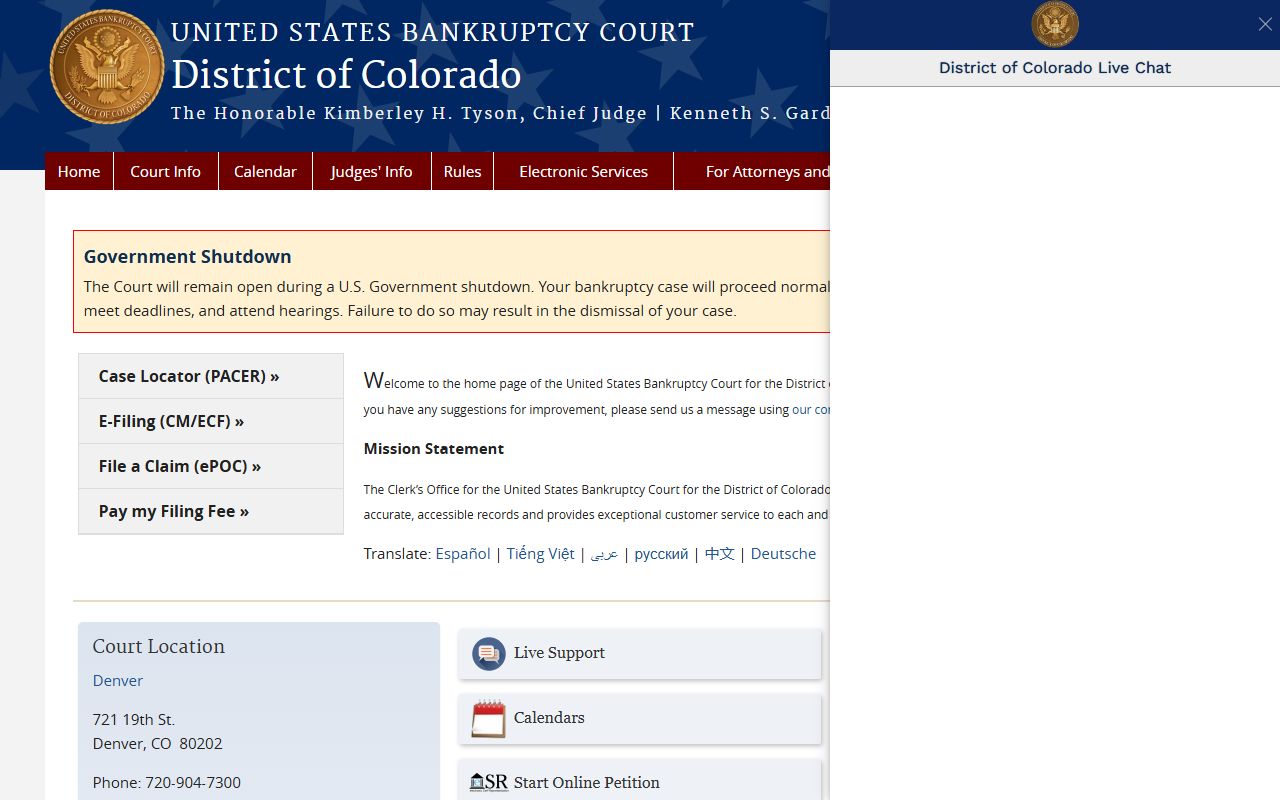
The United States Bankruptcy Courthouse in Denver where Pitkin County residents file for debt relief and access case records.
Credit Reporting and Discharge
Bankruptcy affects credit scores. The impact is significant. Recovery is possible. Chapter 7 stays ten years. Chapter 13 remains seven years. This is federal law. Reporting agencies must follow. The clock starts at filing. Discharge comes later. Reports should update. They often lag. Check them regularly. Free reports exist. Visit annualcreditreport.com. You get three reports yearly. One from each bureau. Space them out. Monitor quarterly. Look for errors. Disputed debts should show zero. Discharged balances must clear. Old addresses need updates.
Rebuilding credit takes effort. Start immediately. Secured cards help. They require deposits. Limits match deposits. Use lightly. Pay fully. This builds history. Credit unions assist. They offer programs. Local banks help too. Ask about products. Some cater to fresh starts. Mortgages become possible. Wait two years. FHA loans help. Government backing reduces risk. Lenders offer rates. They are higher initially. Time improves them. Keep payments current. All of them. Rent matters too. Utility payments help. New systems track these. Experian Boost helps. It adds utility history. Consider enrolling.
Common Questions Answered
Where do I file bankruptcy in Pitkin County? All Colorado bankruptcies file in Denver. The federal courthouse at 721 19th Street serves the entire state including Aspen and Pitkin County residents.
Can I keep my vacation property? Colorado exemptions protect some equity. Second homes have limited protection. Consult an attorney. Chapter 13 may help. Each case differs. Asset values matter.
Are bankruptcy records public? Yes. Most case information is public. PACER provides access. Some details are private. Full Social Security numbers hide. Financial account numbers truncate. Personal information is protected.
How do I get copies of my discharge? Use PACER for digital copies. Contact the court clerk for certified copies. Your attorney should provide copies. Keep them forever. Multiple copies help.