
Prowers County Federal Court Records
Residents of Prowers County access bankruptcy records through federal channels. The county seat is Lamar. This southeastern Colorado community serves an agricultural region. Farming and ranching dominate the economy. These industries face financial risks. Drought affects crops. Market prices fluctuate. Equipment costs rise. Bankruptcy provides relief. It helps families recover. It saves farms. It protects homes. The process is federal. State courts do not handle it. The U.S. Bankruptcy Court manages cases. Their Denver office serves Prowers County. Records are public. Access them online. Visit the courthouse. Use mail requests. Options exist for everyone. This guide explains them. Read carefully. Understand your choices.
United States Bankruptcy Court Information
The federal court system serves all Colorado counties equally. Prowers County residents file in Denver. The courthouse address is 721 19th Street, Denver, CO 80202. The phone number is 720-904-7300. This is the only bankruptcy court in Colorado. All cases from Lamar and surrounding areas come here. The court operates efficiently. Digital systems dominate. Paper filings are rare. Everything is tracked electronically. Case numbers are assigned instantly. The format includes year and division. Dockets build automatically. Each filing adds to the record.
Bankruptcy chapters serve different needs. Chapter 7 is for liquidation. It eliminates most unsecured debt. Credit cards disappear. Medical bills vanish. Personal loans end. The process takes months. Chapter 13 is for reorganization. It creates payment plans. Debtors keep property. They pay over time. Plans last three to five years. Chapter 12 helps family farmers. It has special provisions. Debt limits are higher. Terms are flexible. Prowers County farmers use this. It protects agricultural operations. Chapter 11 is for businesses. It allows restructuring. Large debts reorganize. Operations continue. Jobs are saved. Each chapter has records. All are available.
The automatic stay protects filers. It starts immediately. Creditors must stop. Collection calls end. Letters must cease. Lawsuits pause. Garnishments stop. Foreclosures halt. This protection is powerful. Violators face sanctions. The court punishes them. Fines are possible. Damages may be awarded. Attorneys handle violations. Report problems quickly. The stay lasts through the case. It ends at discharge. Or it ends if dismissed. Some actions continue. Criminal proceedings are not stayed. Family court matters proceed. Certain taxes may be collected. Understand the limits. Ask your attorney. Know your rights fully.
Lamar County Clerk Resources
The Prowers County Clerk and Recorder office is in Lamar. Their phone number is (719) 336-8011. The staff provides valuable services. They do not have bankruptcy files. Those remain federal. But they keep related records. Property deeds are here. Mortgages are recorded. UCC financing statements are filed. Judgment liens appear here. These documents matter. They show secured interests. They affect bankruptcy outcomes. Secured debts survive. Liens attach to property. You must deal with them. The clerk helps with releases. Proper documentation is needed. Court orders work. Payment proof helps. Forms must be complete.
Property records research is useful. Visit the clerk's office. Use their computers. Staff can assist. They know the system. Records date back many years. Microfilm holds older documents. Recent records are digital. Both formats exist. Searches take time. Plan accordingly. Bring identifying information. Property addresses help. Legal descriptions are best. Parcel numbers work. Owner names search well. Results show chain of title. They reveal liens. They display mortgages. Releases appear here too. Clear title matters. It helps with sales. It improves credit. Request certified copies. These are official. Fees apply.
Recording documents requires preparation. Forms must meet standards. Legal descriptions must be exact. Surveys may be needed. The clerk reviews filings. Incomplete documents reject. This causes delays. Professional help is available. Title companies prepare documents. Attorneys review them. Accuracy matters. Errors are costly. Recording fees change. Check current rates. Acceptable payment varies. Call ahead to confirm. Office hours are limited. Rural offices close early. Plan your visit.
PACER Online Record Access
The Public Access to Court Electronic Records system provides digital access. Visit pacer.uscourts.gov to register. Accounts are free. Usage incurs costs. Each page is ten cents. Most cases are affordable. Extensive research adds up. Quarterly waivers exist. Low usage is free. Under thirty dollars quarterly costs nothing. This helps casual users. Regular users pay. Monthly bills arrive. Payment is required promptly.
PACER searches use names. Individual names work. Business names too. Case numbers are precise. Use them when known. Results show case information. Filing dates appear. Docket sheets list activity. Documents are downloadable. PDF format is standard. Files are official copies. Courts accept them. Attorneys rely on PACER. It is the primary source. Training helps new users. Tutorials explain features. Help pages answer questions. Phone support is available. Technical issues resolve quickly. Account problems get attention. Billing questions matter. Keep records of usage. Review statements carefully.
Note: The PACER system updates overnight, so documents filed today may not appear until tomorrow morning.
State UCC and Lien Records
Secured transactions are recorded statewide. The Colorado Secretary of State maintains the database. Visit sos.state.co.us/ucc to search. This is free public access. No registration required. UCC filings create liens. They secure loans with collateral. Vehicles are common collateral. Farm equipment qualifies. Livestock can be collateral. Crops are included. Business inventory works. Lenders file UCC-1 statements. These perfect their interest. Perfection establishes legal priority. Priority determines payment order. It matters in bankruptcy.
Searching requires debtor names. Try exact spellings. Include variations. Initials affect results. Businesses have legal names. Use those precisely. Results display filings. Filing dates are clear. Secured party names appear. Collateral descriptions show. Continuations extend liens. Terminations end them. Releases remove them. Review the history. Understand current status. Download filings for records. Certified copies cost money. Regular copies are free. Print what you need. Share with your attorney. Complete disclosure is required. List all secured creditors. UCC search results help. They identify lenders. They reveal loan terms.
Agricultural Bankruptcy Considerations
Farming involves unique financial challenges. Prowers County knows this well. Chapter 12 bankruptcy exists for farmers. It provides special protections. Debt limits are higher. Eligibility requirements apply. Most income must come from farming. Debt ceilings exist. They adjust for inflation. Chapter 12 allows plan modifications. Payments adjust to seasons. Good years pay more. Bad years pay less. This flexibility helps. It keeps farms operating. Families stay on land. Equipment is protected. Livestock is preserved. The farm continues producing. Communities benefit.
Farm debt restructuring takes skill. Attorneys must know agriculture. They understand seasonal income. They know equipment values. They work with lenders. Agricultural lenders participate. They prefer Chapter 12. It preserves relationships. Farms stay customers. Lenders recover more. The process is collaborative. Trustees have farm experience. They understand the industry. Meetings address farm issues. Cash flow is analyzed. Projections are realistic. Plans are workable. Discharge frees farmers. They continue operations. Debt burdens reduce. Financial health improves. Future harvests are possible.
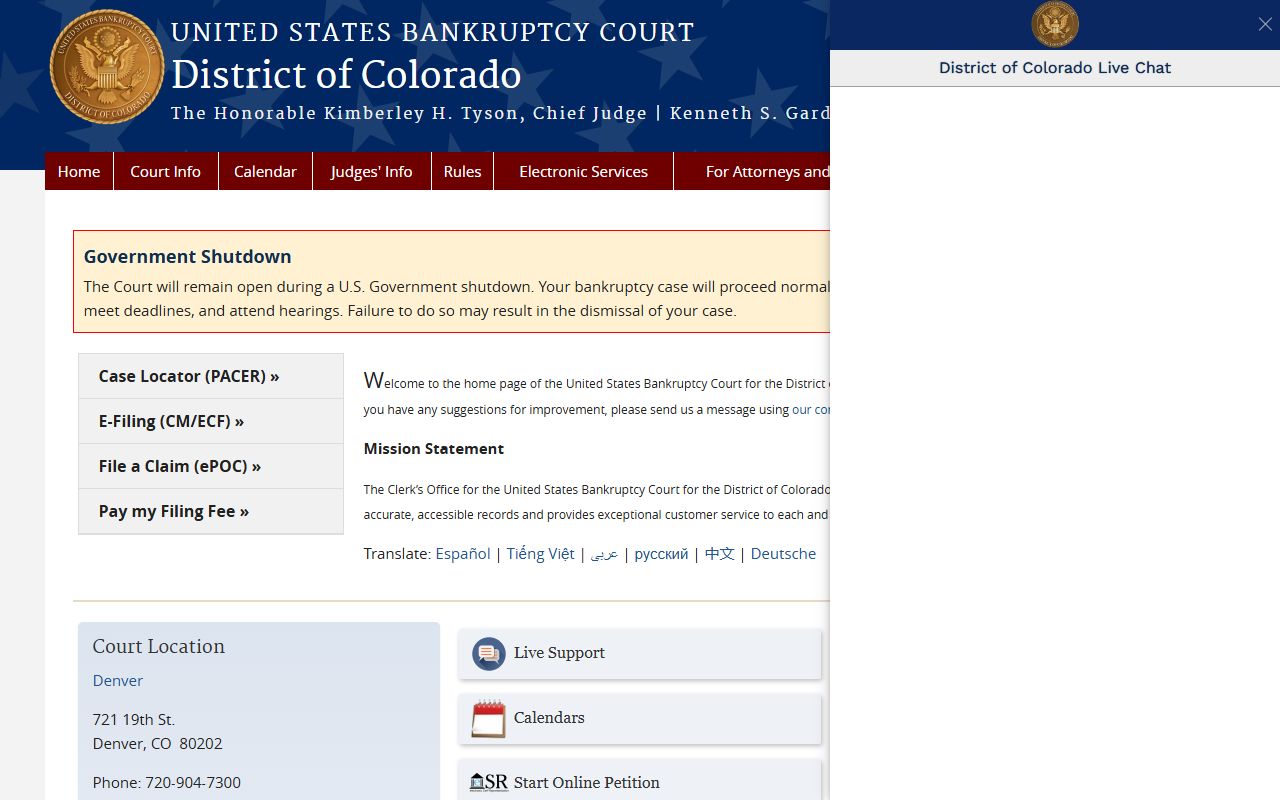
The U.S. Bankruptcy Court in Denver where Prowers County residents file for Chapter 7, Chapter 12, or Chapter 13 bankruptcy protection.
Legal Assistance in Southeast Colorado
Legal help exists for those who qualify. Colorado Legal Services serves rural areas. They have regional offices. Call for information. They handle bankruptcy cases. They advise farmers. They help consumers. Services are free for eligible clients. Income limits apply. Asset tests exist. Priority cases get attention. Foreclosure threats matter. Garnishment situations qualify. Urgent needs are addressed. Apply promptly. Do not delay. Deadlines are strict. Missing them harms cases.
Private attorneys practice in the region. Lamar has some lawyers. Larger towns have more. Pueblo offers options. Denver has specialists. Distance affects choice. Local attorneys know the community. They understand rural issues. They have experience. Ask about bankruptcy cases. Inquire about farm experience. Fees vary widely. Flat rates are common. Payment plans help. Costs include court fees. Filing fees are separate. Chapter 7 is $338. Chapter 13 is $313. Fee waivers help some. Prove hardship to qualify. Documentation is required. Complete applications carefully.
Life After Bankruptcy Discharge
Discharge ends the case. It eliminates qualifying debt. You get a fresh start. Use it wisely. Rebuild credit carefully. Start immediately. Do not wait. Secured cards help. They require deposits. Use them lightly. Pay fully each month. This builds positive history. Credit unions assist. They offer programs. Local banks help. Ask about fresh start products. Mortgages become possible. Wait two years typically. FHA programs help. Government backing reduces lender risk. Rates are higher at first. Time improves them. Keep all payments current. This matters most.
Monitor credit reports. Check them regularly. Free reports exist. Use annualcreditreport.com. Review all three bureaus. Space them quarterly. Look for errors. Discharged debts should show zero. Balances must be gone. Old addresses update. Dispute inaccuracies. Use your discharge order. It proves debts are eliminated. Creditors must comply. Some resist. They violate law. Report violations. Attorneys can help. You may recover damages. Know your rights. Protect them actively.