
Rio Grande County Court Filings Lookup
Residents of Rio Grande County seeking bankruptcy records must access federal resources. The county seat is Del Norte. This San Luis Valley community is historic. Agriculture shapes the local economy. Potato farming is significant. Cattle ranching continues. Tourism grows steadily. Financial difficulties affect families. Medical debt accumulates. Job losses happen. Business failures occur. Bankruptcy provides protection. It offers a legal path forward. The U.S. Bankruptcy Court handles all cases. The Denver office serves this region. Records are public documents. Access them through official channels. Online systems provide convenience. This guide outlines the process. It helps you find what you need. Understanding the system saves time. It reduces frustration. Start informed.
United States Bankruptcy Court for Colorado
The federal court system operates from Denver. The main courthouse is at 721 19th Street. The zip code is 80202. The phone number is 720-904-7300. This location serves all Colorado counties. Rio Grande County is included. Distance from Del Norte is significant. Technology bridges this gap. Digital access is comprehensive. No resident is disadvantaged.
The court processes various bankruptcy chapters. Chapter 7 liquidates non-exempt assets. It discharges most unsecured debt. The process takes months. Chapter 13 creates repayment plans. Debtors keep property. They pay over three to five years. Chapter 12 helps family farmers. It has higher debt limits. Flexible terms help agriculture. Chapter 11 reorganizes businesses. Each chapter creates records. All are available publicly.
Filing bankruptcy starts with a petition. Forms are extensive. They detail finances. Income must be reported. Expenses are listed. Assets are disclosed. Debts are itemized. Creditor addresses are required. Accuracy is essential. Mistakes cause delays. Omissions risk dismissal. Fraud brings penalties. Honesty is critical. The court reviews everything. Trustees verify information. The process is thorough.
Del Norte County Clerk Services
The Rio Grande County Clerk and Recorder office is in Del Norte. The phone number is (719) 657-3334. Staff provide essential recording services. They do not maintain bankruptcy files. Those remain with federal courts. However, they keep related records. Property deeds are recorded here. Mortgages are filed. UCC financing statements are maintained. Judgment liens appear in their records.
Property research serves multiple purposes. It establishes ownership. It reveals liens. It shows mortgage balances. This information helps bankruptcy preparation. Exemptions are calculated. Assets are identified. Secured debts are listed. The clerk's office provides access. Visit during business hours. Staff will assist. Records date back many years. Recent files are digital. Older records use microfilm.
Recording new documents requires fees. The clerk accepts various payment types. Call ahead to confirm. Forms must be complete. Legal descriptions must be accurate. Professional preparation helps. Title companies offer services. Attorneys review filings. Errors cause rejection. This wastes time. Proper filing protects interests. It ensures clear title.
PACER Online Access System
The Public Access to Court Electronic Records system is essential. Visit pacer.uscourts.gov to register. Accounts require verification. Activation is quick. The system charges usage fees. Each page costs ten cents. Most documents are affordable. Quarterly waivers help. Usage under thirty dollars is free. This benefits casual researchers.
Searching PACER is flexible. Use individual names. Search business names. Case numbers provide precision. Results include case summaries. Docket sheets list all activity. Documents download as PDFs. They are court-certified copies. The system updates daily. New filings appear quickly. Information is current. Research is efficient. Rural users have equal access.
Note: PACER offers training resources including video tutorials and user guides to help navigate the system effectively.
Colorado Secretary of State UCC Records
Secured transaction records are maintained statewide. The Secretary of State provides access. Visit sos.state.co.us/ucc to search. No registration is required. Searches are free. UCC filings create security interests. Collateral backs these loans. Vehicles are common collateral. Equipment qualifies. Farm products are included.
The search system is straightforward. Enter debtor names precisely. Consider name variations. Results display filing details. Dates are clearly shown. Secured party names appear. Collateral descriptions are included. Download options exist. Certified copies require payment. Regular access is complimentary. Thorough searches help identify all creditors. Complete disclosure is required in bankruptcy.
Agricultural Considerations in the San Luis Valley
Rio Grande County is agricultural. The San Luis Valley produces potatoes. Cattle ranching continues. These industries face financial risks. Weather affects crops. Markets fluctuate. Equipment costs rise. Chapter 12 bankruptcy addresses these challenges. It is designed for family farmers. Eligibility requirements apply. Income must primarily come from farming. Debt limits exist.
Chapter 12 offers advantages. Payment plans are flexible. They adjust to agricultural cycles. Good harvests allow higher payments. Poor years reduce obligations. This keeps farms operating. Families remain on their land. Equipment is protected. Livestock is preserved. The process is workable. Trustees understand farming. They know the challenges. They create realistic plans.
Secured farm debt requires attention. Equipment loans are common. Livestock financing exists. Land mortgages are standard. These liens survive bankruptcy discharge. Property can be retained through payments. Reaffirmation agreements formalize commitments. The automatic stay provides temporary protection. Creditors cannot repossess during the case. This gives farmers breathing room. Time helps find solutions.
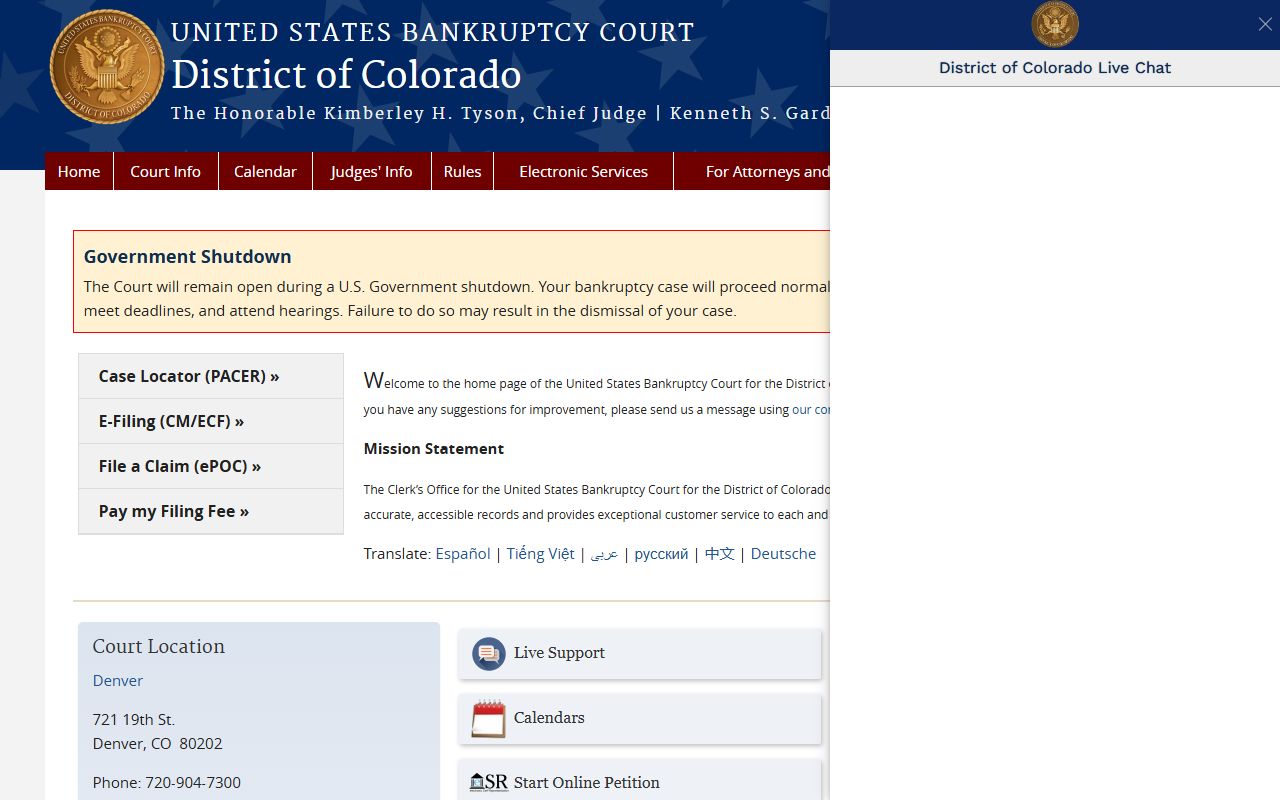
The U.S. Bankruptcy Court in Denver where Rio Grande County residents file for debt relief under federal bankruptcy protection.
Legal Assistance Resources
Legal help is available for qualifying residents. Colorado Legal Services serves the San Luis Valley. They provide bankruptcy assistance. They advise on options. They review documents. Services are free for eligible clients. Income and asset limits apply. Priority goes to urgent situations. Foreclosure threats qualify. Garnishment cases are addressed.
Private attorneys practice bankruptcy law. Some serve rural areas. Phone consultations bridge distance. Video meetings are available. Ask about experience. Inquire about fees. Flat rates are typical. Payment plans help manage costs. Attorney fees are separate from court costs. Filing fees are set by federal law. Chapter 7 is $338. Chapter 13 is $313. Fee waivers exist for hardship cases.
Credit Recovery Strategies
Bankruptcy affects credit reports. Chapter 7 remains ten years. Chapter 13 stays seven years. Impact lessens over time. Recovery can begin immediately. Secured credit cards help establish positive history. They require security deposits. Responsible use builds scores. Credit unions often offer fresh start programs. Local community banks participate.
Regular credit monitoring is important. Free reports are available annually. Use annualcreditreport.com. Check all three major bureaus. Look for errors. Discharged debts should show zero balances. Dispute inaccuracies promptly. Keep discharge order copies permanently. They prove debts were eliminated. Lenders and landlords may request them. Be prepared to provide documentation.
Common Questions
Where are bankruptcy hearings held? Most proceedings occur in Denver. Some 341 meetings may be scheduled in southern Colorado locations. Check with your attorney. Confirm locations in advance. Plan travel accordingly.
Can farmers keep their land? Colorado exemptions protect some equity. Agricultural operations have additional protections. Chapter 12 provides specific benefits. Each case is unique. Consult an experienced attorney. They can evaluate your situation.
What is the first step? Gather financial documents. List all debts. Identify all assets. Collect income information. Consult an attorney. They will guide the process. Preparation makes filing smoother.