
Summit County Bankruptcy Record Search
Summit County residents seeking bankruptcy records access federal systems. The county seat is Breckenridge. This world-class ski resort community attracts visitors globally. The economy revolves around tourism. Skiing dominates winter. Mountain biking and hiking fill summer. Real estate values are substantial. Housing costs are high. Seasonal employment is common. Financial challenges affect workers. Medical debt accumulates. Job transitions happen. Business ventures fail. Bankruptcy provides protection. It helps eliminate debt. It offers fresh starts. The U.S. Bankruptcy Court handles all cases. The Denver office serves Summit County. Records are public documents. Digital access is available. This guide explains the process.
Federal Bankruptcy Court for Colorado
The U.S. Bankruptcy Court operates from Denver. The courthouse is at 721 19th Street. The phone is 720-904-7300. This location serves all Colorado counties. Summit County is included. Breckenridge is west of Denver. Interstate 70 connects them. Access is manageable. Technology helps too.
The court processes all bankruptcy types. Chapter 7 eliminates unsecured debt quickly. Chapter 13 creates three to five year payment plans. Chapter 11 reorganizes business debts. Chapter 12 assists family farmers. Summit County residents typically use Chapter 7 or 13. The process follows federal rules. Treatment is consistent statewide.
Filing bankruptcy creates detailed records. Voluntary petitions start cases. Schedules list all assets and debts. Statements of financial affairs provide history. Income documentation supports means test calculations. Tax returns verify income. Creditor matrices ensure notice. All motions and orders are recorded. The docket tracks everything. These records are public.
Breckenridge County Clerk Services
The Summit County Clerk and Recorder is in Breckenridge. The phone is (970) 453-3470. The office provides recording services. They do not maintain bankruptcy case files. Those remain with federal courts. However, they record related documents. Property deeds are filed here. Mortgages are recorded. UCC financing statements are maintained. Judgment liens appear in records.
Property record research helps before bankruptcy. It establishes ownership interests. It reveals existing liens. It shows mortgage balances. This information is essential. The clerk provides public access. Visit their Breckenridge location. Use public research terminals. Staff can assist with searches. Records are well-organized. They span many decades.
Recording new documents requires preparation. Fees are set by state law. Payment methods should be confirmed in advance. Call the office to verify. Forms must be fully completed. Legal descriptions must be accurate. Incomplete filings are returned. This causes delays. Many people use professional assistance. Title companies prepare documents. Attorneys review for accuracy.
PACER Online Access System
The Public Access to Court Electronic Records system provides digital access. Visit pacer.uscourts.gov to register. Account creation is free. Usage incurs costs. Each page costs ten cents. Most case reviews are inexpensive. Quarterly fee waivers help. Usage under thirty dollars per quarter is free. This benefits casual researchers.
PACER offers comprehensive search options. Search by individual name. Look up business entities. Case numbers provide direct access. Docket sheets display all case activity. Documents download as PDF files. These are official court copies. The system updates nightly. New filings appear promptly. Research is effective from any location. Summit County residents have full access.
Note: PACER provides audio recordings of court hearings for many cases, available for an additional fee.
Colorado Secretary of State UCC Records
The Colorado Secretary of State maintains UCC records online. Visit sos.state.co.us/ucc to search. Registration is not required. Searches are complimentary. UCC filings perfect security interests. Collateral backs these loans. Common collateral includes vehicles. Equipment serves as security. Business inventory qualifies.
The search interface is user-friendly. Enter debtor names carefully. Consider spelling variations. Results display comprehensive information. Filing dates are clearly shown. Secured party names are listed. Collateral descriptions are detailed. Documents can be viewed online. Certified copies require payment. Thorough searches help ensure complete creditor disclosure.
Resort Economy Financial Considerations
Summit County has a unique economy. Tourism drives everything. World-class skiing attracts visitors. Summer recreation grows steadily. Real estate values are extremely high. This creates financial pressures. Housing affordability is challenging. Many workers commute from other counties. Seasonal employment patterns affect income stability.
Bankruptcy can address these challenges. Chapter 7 helps those with limited income. It eliminates qualifying unsecured debt. The process typically takes four months. Chapter 13 assists wage earners with regular income. It creates manageable payment plans. Both options provide the automatic stay. This immediately stops collection efforts. Creditors cannot call. Lawsuits pause. Foreclosures halt.
Property exemptions are important in Summit County. Real estate values are high. Colorado homestead exemptions have limits. The current exemption amount may not cover full equity in expensive properties. Second homes receive limited protection. Investment properties are vulnerable. Understanding exemption limits is critical. Professional legal guidance helps. Plan carefully before filing.
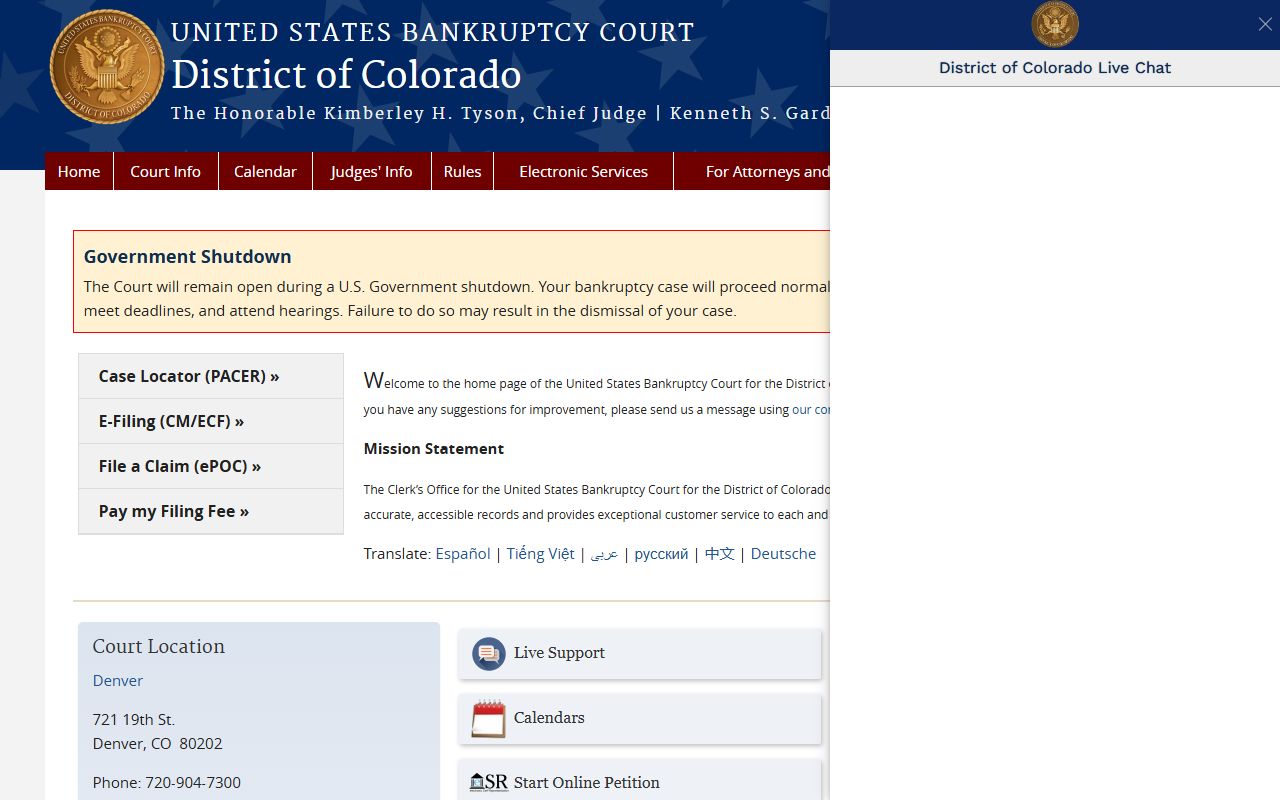
The U.S. Bankruptcy Court in Denver where Summit County residents file for debt relief and access case records.
Legal Resources in Summit County
Legal assistance is available for qualifying residents. Colorado Legal Services serves mountain communities. They provide bankruptcy guidance. They review documents. They explain options. Services are free for eligible clients. Income and asset limits apply. Priority goes to urgent situations. Foreclosure threats qualify.
Private bankruptcy attorneys practice in the area. Breckenridge has legal professionals. Frisco offers additional options. Denver has extensive specialist availability. Many attorneys offer phone consultations. Video meetings are common. Ask about bankruptcy experience. Inquire about fee structures. Flat rates are typical. Payment plans help manage costs. Court filing fees are separate. Chapter 7 is $338. Chapter 13 is $313.
Credit Recovery After Discharge
Bankruptcy discharge provides a financial fresh start. Credit rebuilding can begin immediately. The bankruptcy notation remains on credit reports. Chapter 7 stays for ten years. Chapter 13 remains seven years. The negative impact decreases over time. Many people rebuild credit within two years. Responsible use of new credit helps.
Secured credit cards are a common starting point. They require security deposits. Responsible use builds positive history. Credit unions and community banks offer assistance. They often have programs for people rebuilding credit. Mortgage qualification becomes possible. Typically wait about two years after discharge. Keep all payments current. Monitor credit reports regularly. Dispute any errors. Keep discharge documentation permanently.
Frequently Asked Questions
Do I need to travel to Denver for bankruptcy? While the court is in Denver, many interactions can be handled remotely. Some 341 meetings may be scheduled in locations closer to mountain communities. Ask your attorney about options.
Will I lose my mountain home? Colorado homestead exemptions protect some equity, but limits apply. High-value Summit County properties may exceed exemption amounts. Chapter 13 may help you retain property. Consult an attorney.
How do I search federal bankruptcy records? Use PACER at pacer.uscourts.gov. Register for an account. Search by name or case number. Download documents as needed. Pay per page viewed.