
Aurora Federal Court Records
Aurora is Colorado's third largest city. Over 395,000 people live here. The city spans three counties. These are Arapahoe, Adams, and Douglas. Many residents file bankruptcy each year. The records are public. You can search for them. You can find discharge papers. You can view creditor lists. The U.S. Bankruptcy Court keeps these records.
Aurora City Clerk Office
The City Clerk keeps city records. These are not bankruptcy records. But they are useful. The clerk keeps council minutes. They keep city contracts too. They have ordinances on file. The office is at 15151 E. Alameda Parkway. You can call 303-739-7060. Hours are Monday through Friday. They open at 8:00 AM. They close at 5:00 PM.
The City Clerk is elected. This office runs city elections. It manages public records requests. It keeps the municipal code updated. If you need city documents, start here. The website has many forms. You can request records online. You can also visit in person.
Remember, city records differ from federal records. Bankruptcy is federal. City business is local. Do not confuse the two. The city clerk cannot help with bankruptcy. They cannot access PACER. They do not have court documents.
Where Aurora Bankruptcy Records Are Stored
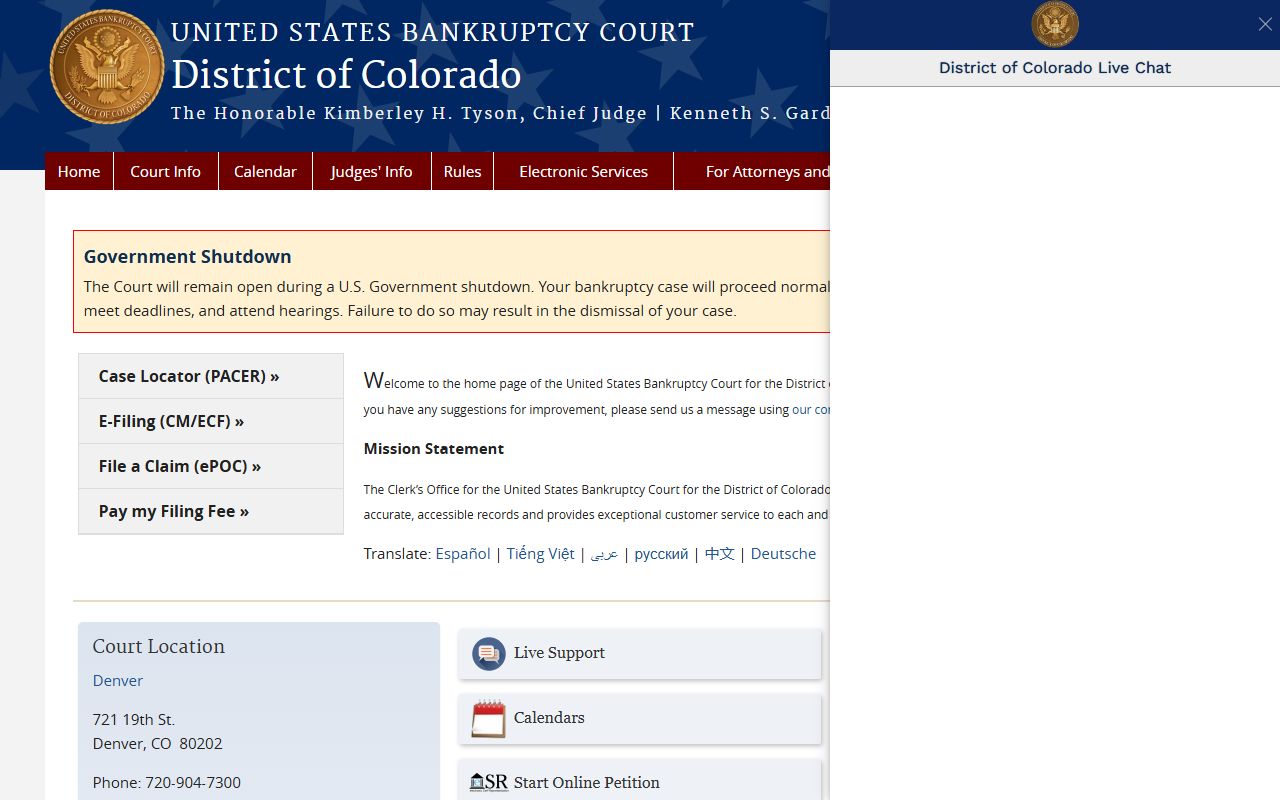
All Colorado bankruptcy cases go to Denver. The U.S. Bankruptcy Court is at 721 19th Street. This is in downtown Denver. The court is in the Alfred A. Arraj building. Aurora residents file here. Aurora cases are heard here. The records stay here.
You can call the court at 720-904-7300. The Clerk of Court answers questions. They cannot give legal advice. But they can explain procedures. They can help you find records. They can explain fees too. Visit www.cob.uscourts.gov for official information.
The court has security. Bring a valid ID. Expect metal detectors. Bags are screened. The court is accessible. It has elevators. It has ramps. Parking is nearby. Public transit serves the area too.
Note: Aurora residents must use the Denver courthouse for all bankruptcy matters.
Aurora's Three Counties and Records
Aurora is unique. It sits in three counties. Most of the city is in Arapahoe County. Eastern parts are in Adams County. Southeastern parts are in Douglas County. This affects some records. It does not affect bankruptcy.
For county records, visit the right county. Arapahoe County has the most Aurora records. Visit the Arapahoe County page. Adams County records are at their office. Visit the Adams County page. Douglas County has a small part. Visit the Douglas County page.
County records include property deeds. They include marriage licenses. They include probate records. They include civil court cases. They do not include bankruptcy. Keep this in mind when searching.
Search Aurora Bankruptcy Records Online with PACER
PACER is the online system. It stands for Public Access to Court Electronic Records. Use it at pacer.uscourts.gov. It has all federal court records. It has Colorado bankruptcy records. It has Aurora cases.
Make an account to start. You need an email. You need a credit card. The card is for fees. Each page costs ten cents. Documents cap at three dollars. Fees under thirty dollars per quarter are waived. Many users pay nothing.
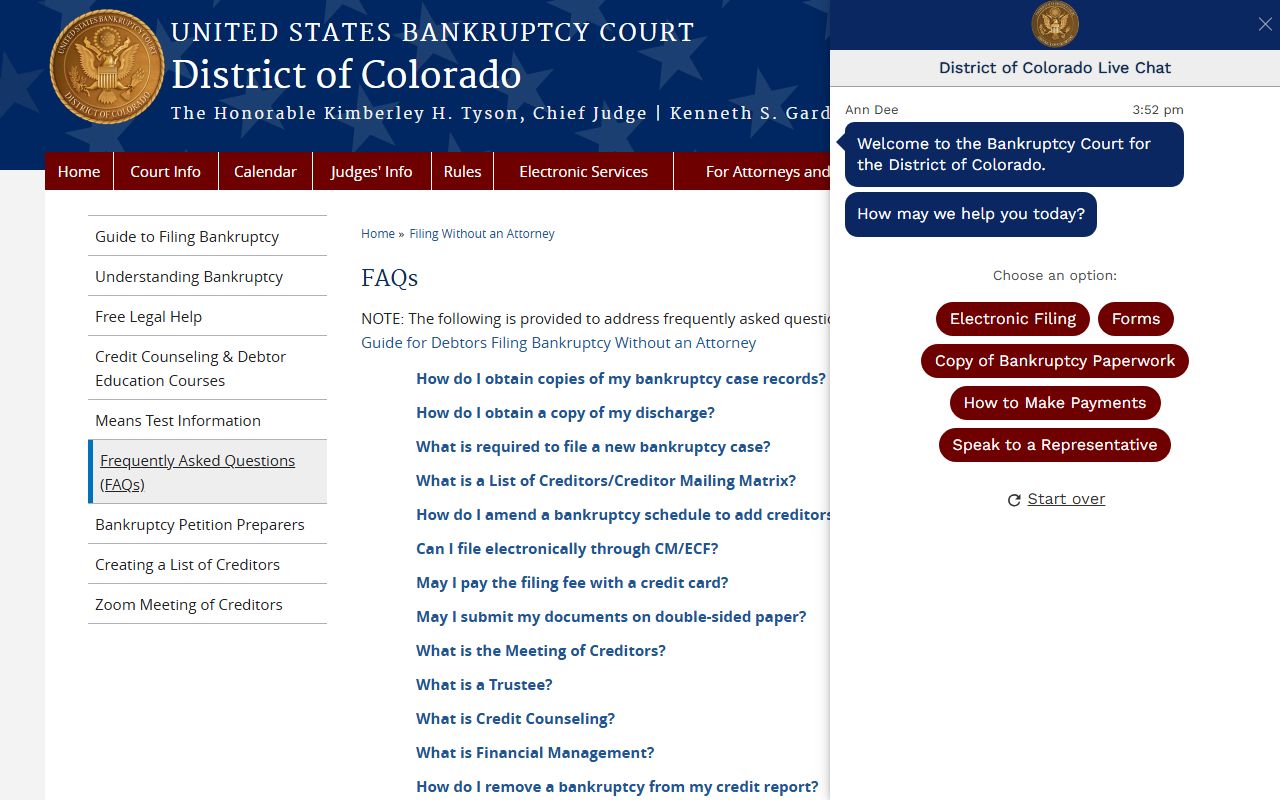
Search by debtor name. Use last name, first name. Search by case number if you have it. Results show matches. Click to view documents. Download or print. Save what you need.
The voice case system is free. Call 866-222-8029. Enter extension 26. Get basic case info. Hear dates and status. This works twenty-four seven. No fees apply.
PACER keeps records from 2001 forward. Older cases may be archived. You may need to visit the court. You may need to request from archives. The clerk can help with this.
Legal Resources for Aurora Residents
Filing bankruptcy is a big step. Many people need help. Colorado Legal Services provides free aid. They serve low-income Coloradans. Their website is coloradolegalservices.org. They have an Aurora office. Call to make an appointment.
The Pro Se Clinic helps too. It is for people without lawyers. The clinic meets in Denver. Volunteers answer questions. They review your forms. They explain the process. Visit cobar.org/bankruptcy for times and locations.
Aurora has a diverse population. The court offers translation. Spanish help is common. Other languages are available too. Call ahead to arrange. The court wants everyone to access records.
Credit counseling is required. You must take a class before filing. You must take another before discharge. Many agencies offer these. They can be done online. They can be done by phone. Fees are based on income. Some are free.
Filing Bankruptcy from Aurora
Aurora residents file in Denver. The trip takes about thirty minutes. Plan for traffic. Parking costs money. Bring all your documents. Bring photo ID. Bring your filing fee or waiver request.
Chapter 7 fees are $338. Chapter 13 fees are $313. You can pay in parts. Ask for a payment plan. Or ask for a waiver. Waivers are for low income. You must prove your income. You must show you cannot pay.
- Chapter 7 - liquidation, no payment plan, quick discharge
- Chapter 13 - reorganization, 3-5 year payment plan, keep property
- Chapter 11 - business reorganization, complex and expensive
- Chapter 12 - family farmer reorganization, similar to Chapter 13
Most Aurora residents choose Chapter 7. It is faster. It is simpler. But not everyone qualifies. You must pass a means test. This looks at your income. If you earn too much, you file Chapter 13. A lawyer can explain this.
After filing, you get a case number. You get a trustee. The trustee reviews your case. You attend a meeting. This is the 341 meeting. Creditors can attend. Usually, none do. The trustee asks questions. Be honest. Tell the truth.