
Centennial Federal Court Records
Centennial is a young city. It was founded in 2001. About 110,000 people live here. It is in Arapahoe County. The city is suburban. Many residents work in Denver. Some face financial challenges. They may need bankruptcy records. This page explains how to find them.
Centennial is in Arapahoe County
Centennial sits in Arapahoe County. The county is east of Denver. It is populous. It is diverse. The county seat is Littleton. But Centennial is larger. It has many residents. Some file for bankruptcy.
For county records, visit Arapahoe County. They have property deeds. They have court records. They have marriage licenses. Visit the Arapahoe County page for details. County offices are nearby.
Centennial is a home rule city. It has its own government. The city provides services. It keeps city records. But bankruptcy is not local. It is federal. It goes to Denver.
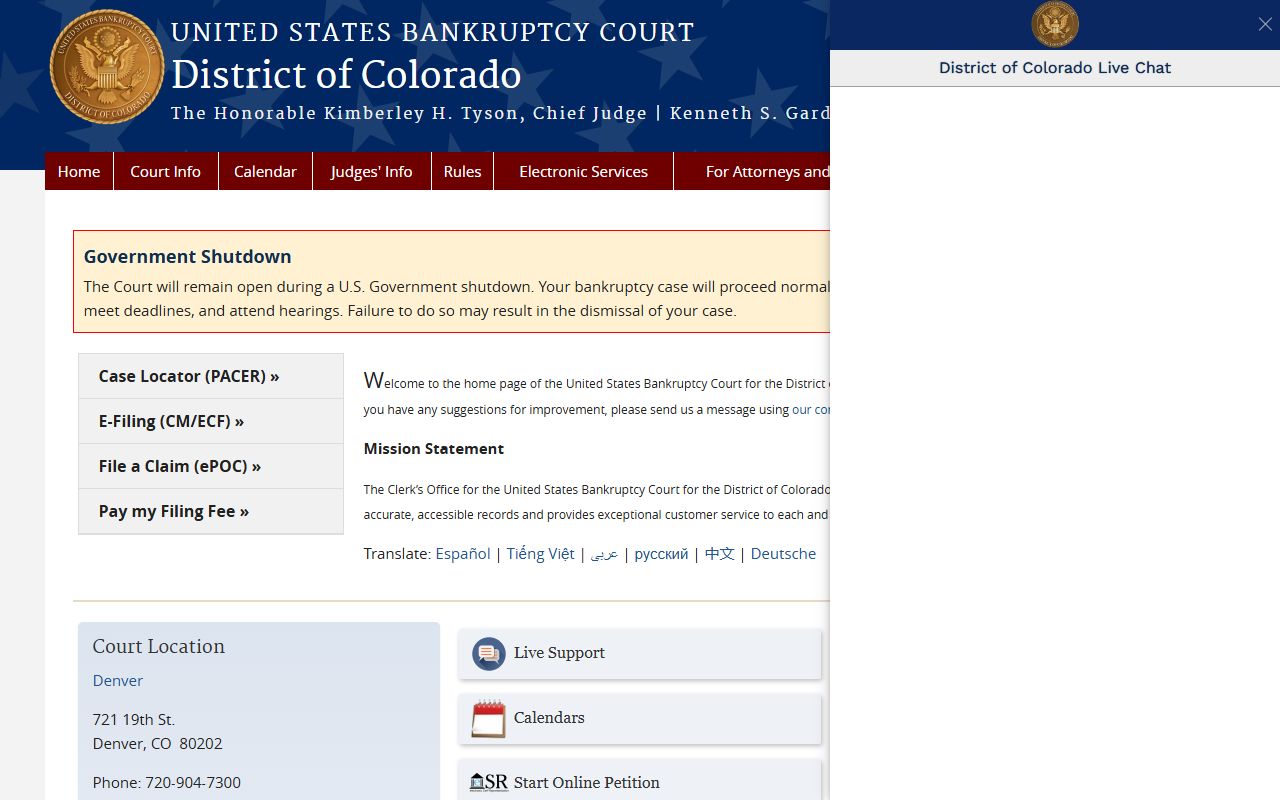
Note: Centennial residents file bankruptcy in Denver like all other Colorado residents.
Federal Bankruptcy Court for Centennial
All Centennial bankruptcy cases go to Denver. The U.S. Bankruptcy Court is at 721 19th Street. The phone is 720-904-7300. Centennial is southeast of Denver. The drive takes about thirty minutes. Take I-25 or I-225. Watch for traffic.
The court website is www.cob.uscourts.gov. It has helpful information. It lists forms. It shows fees. It explains procedures. Check it before visiting.
The courthouse is secure. Bring photo identification. Pass through metal detectors. No weapons are permitted. The staff are professional. They assist visitors. They maintain records.
Hours are 8:00 AM to 5:00 PM. The records desk closes at 4:30 PM. Arrive with time to spare. Parking is available nearby. Public transit is an option. Light rail stops are close.
Search Centennial Bankruptcy Records with PACER
PACER is the online tool. It lets you search from home. Go to pacer.uscourts.gov. Create an account. It is free to register. You need a credit card for fees.
The cost is ten cents per page. No document costs more than three dollars. Fees under thirty dollars per quarter are waived. Many users never pay. This is helpful for occasional searches.
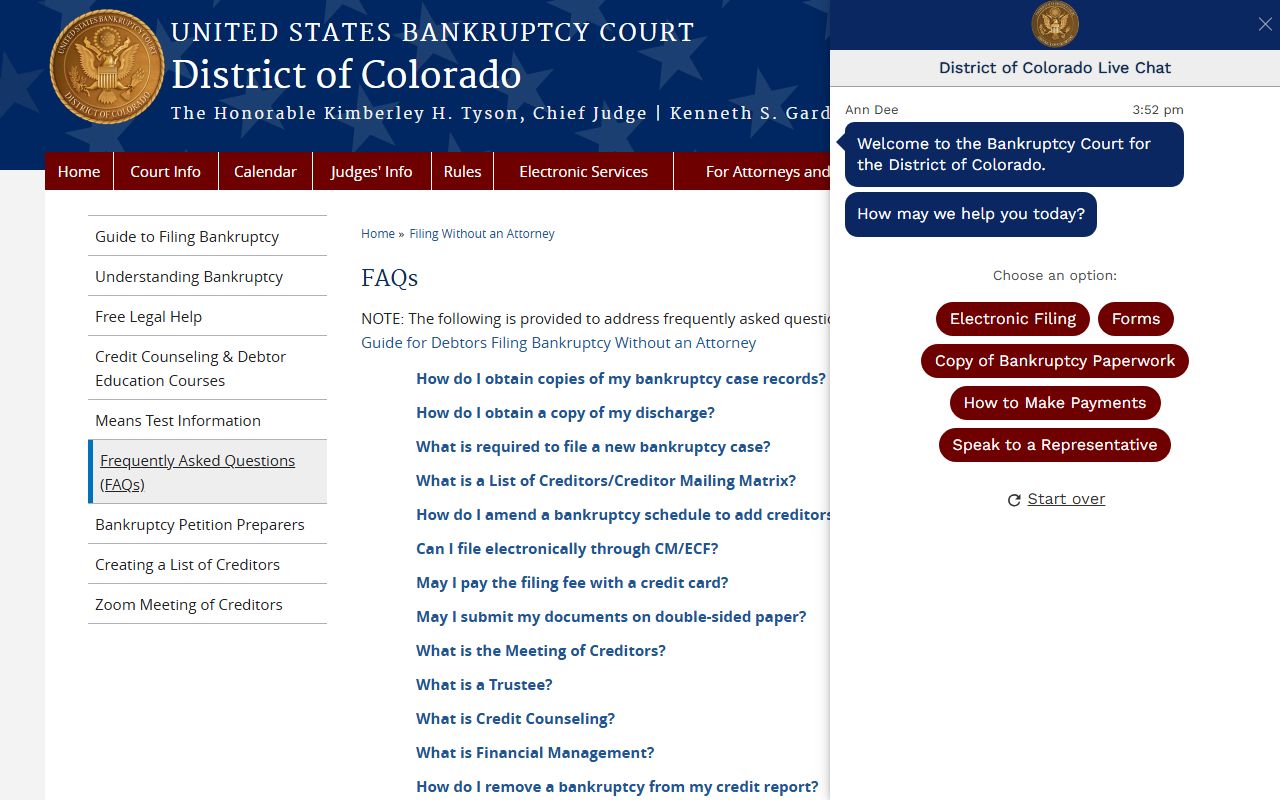
Search using a name. Enter the debtor's last name. Add the first name. Results appear quickly. Click any case to view. See all documents. Download PDF files. Keep copies.
PACER has records since 2001. Cases before that are archived. You can request them. Contact the court clerk. Ask for archived records. They will retrieve them. It takes some time.
The voice system is free. Call 866-222-8029. Use extension 26. Hear case status. Learn next hearing dates. Get basic information. Available twenty-four hours.
Legal Help for Centennial Residents
Centennial residents have resources. Colorado Legal Services provides free help. They assist low-income individuals. Visit coloradolegalservices.org. Find the nearest office. Call for an appointment.
The Pro Se Clinic helps self-filers. Volunteer lawyers provide guidance. They review paperwork. They answer questions. Visit cobar.org/bankruptcy for schedules. The clinic meets in Denver.
Credit counseling is mandatory. You must complete it before filing. You must complete it after filing too. Approved agencies offer courses. Online options are available. Phone options exist. Fees depend on income.
Attorneys are available for hire. Some people need lawyers. Others can file alone. Consider your situation. Think about complexity. Weigh costs and benefits. Make an informed choice.
Filing Bankruptcy from Centennial
Centennial residents travel to Denver. Bring all required documents. Bring identification. Bring payment or a fee waiver request. Chapter 7 filing fee is $338. Chapter 13 filing fee is $313.
- Gather financial documents before filing
- Complete credit counseling from an approved agency
- Fill out all bankruptcy forms accurately
- File at the Denver courthouse
- Attend the 341 meeting of creditors
- Complete debtor education course
- Receive discharge or complete payment plan
After filing, you receive a case number. The court assigns a trustee. The trustee reviews your case. You attend a meeting. This is the 341 meeting. It happens about a month later.
At the meeting, the trustee asks questions. You answer under oath. Creditors may attend. They rarely do. Bring your documents. Be prepared. Be honest. The meeting is brief.
Chapter 7 cases end in three to six months. You receive a discharge. Chapter 13 cases last three to five years. You make payments. Then you receive discharge. Follow all requirements. Start your fresh start.