
Englewood Bankruptcy Case Search
Englewood is a small city. About 35,000 people live here. It is south of Denver. It is surrounded by other cities. Englewood is in Arapahoe County. The city has character. It has historic areas. Residents here may need bankruptcy records. This page explains how to find them.
Englewood is in Arapahoe County
Englewood sits in Arapahoe County. Most of the city is here. A small part may extend. The county is large. It has many cities. Englewood is one of them. It is close to Denver.
For county records, visit Arapahoe County. They have land records. They have court files. They have marriage licenses. Visit the Arapahoe County page for more. The office is in Littleton.
Englewood is a home rule city. It has its own government. The city provides services. It keeps city records. But bankruptcy is federal. It goes to Denver. Not the city hall.
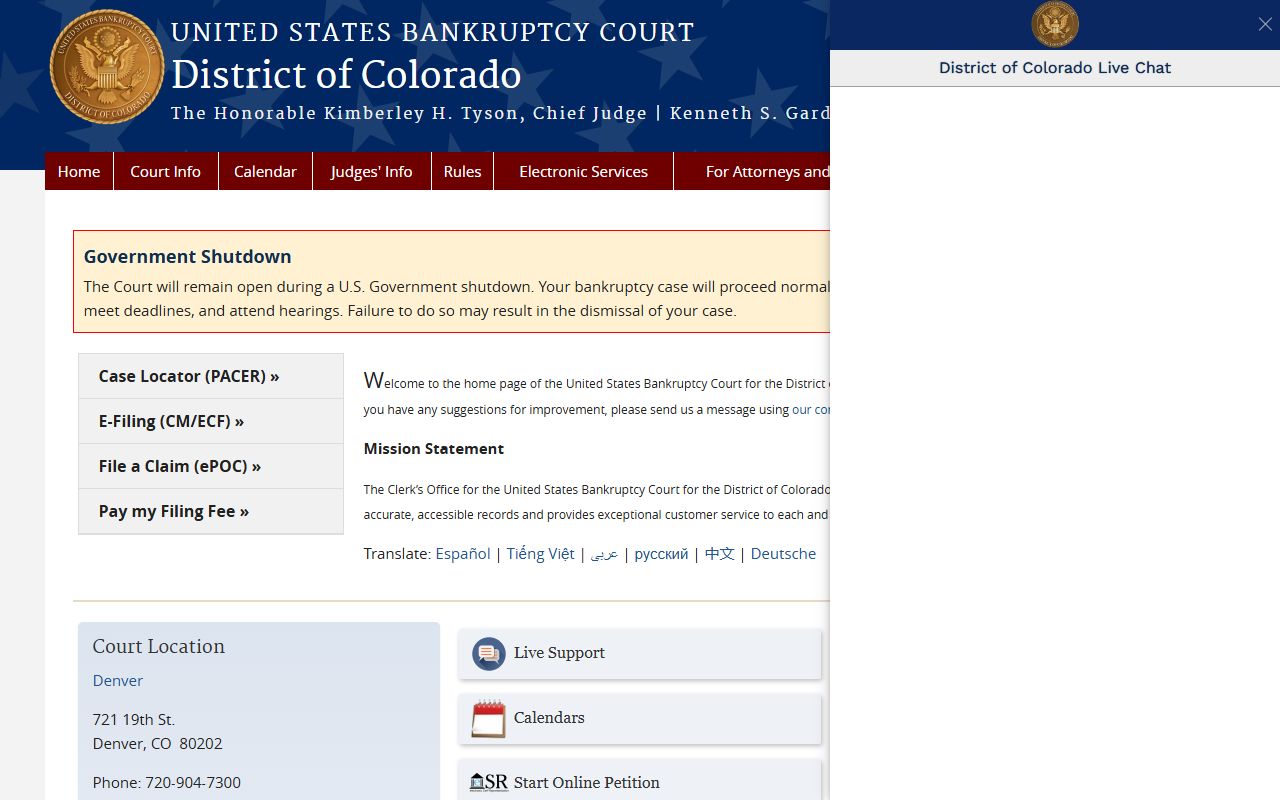
Note: Englewood residents file bankruptcy in Denver like all other Colorado residents.
Federal Bankruptcy Court for Englewood
The U.S. Bankruptcy Court is in Denver. The address is 721 19th Street. Englewood is very close. The drive takes fifteen minutes. Take Santa Fe Drive north. Or take Broadway. Both lead downtown.
The court phone is 720-904-7300. The website is www.cob.uscourts.gov. Check it for information. It has forms. It lists fees. It explains procedures.
The court is secure. Bring valid ID. Pass through screening. No weapons allowed. Staff are helpful. They assist visitors. They help with records. They answer questions.
Hours are 8:00 AM to 5:00 PM. Records service ends at 4:30 PM. Arrive early. Parking is nearby. Some is metered. Some is in lots. Public transit is available. Light rail stops are close.
Search Englewood Bankruptcy Records with PACER
PACER is the online tool. It lets you search from home. Go to pacer.uscourts.gov. Create an account. It is free to register. Add a credit card for fees.
Fees are low. Ten cents per page. Three dollars per document maximum. Fees under thirty dollars per quarter are waived. Many users pay nothing. This is good for occasional searches.
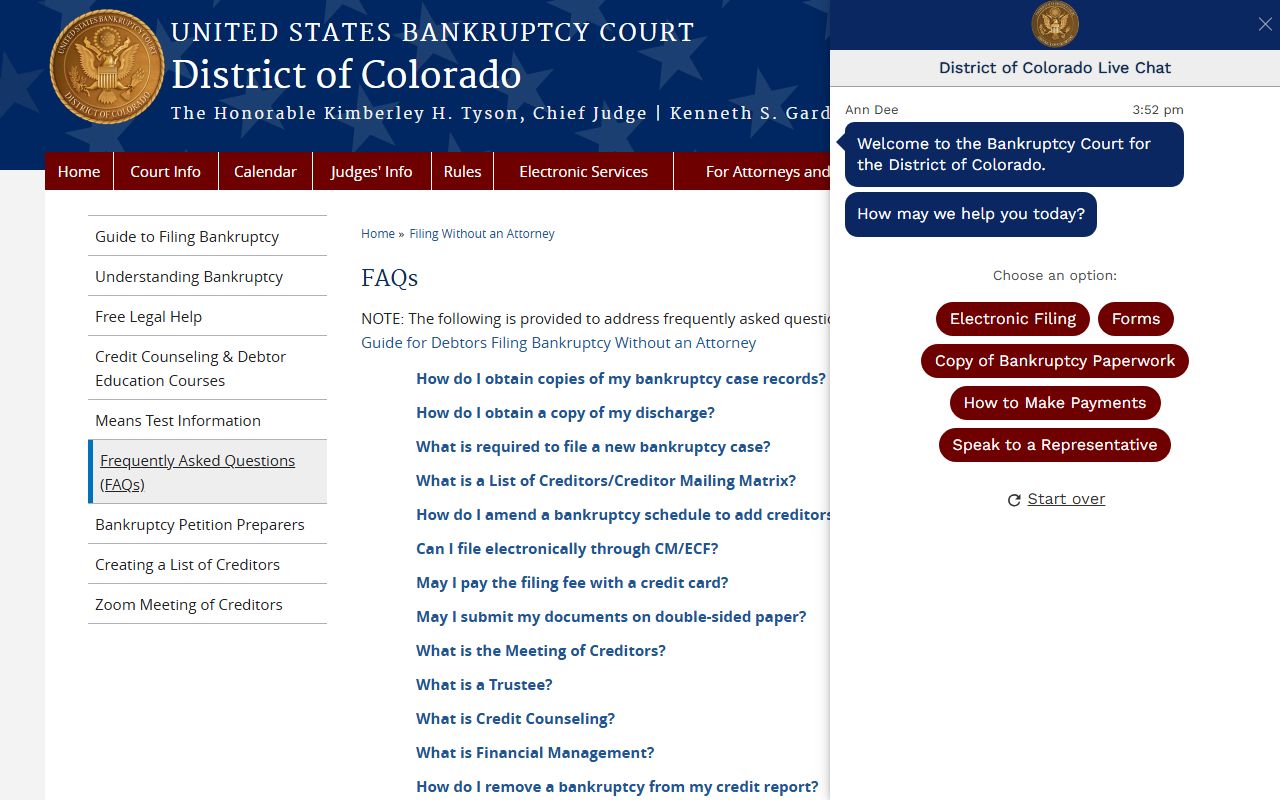
Search by name. Use the debtor's last name. Add first name if you know it. Or use case number. Results are instant. Click to view. Download PDFs. Print what you need.
PACER has records from 2001. Cases before that are archived. You can request them. Contact the court. Ask for archived records. Staff will help. It takes some time.
The voice system is free. Call 866-222-8029. Use extension 26. Hear case status. Learn next dates. Get basic info. Available all day and night.
Types of Bankruptcy Records Available
Bankruptcy files contain many documents. Each tells part of the story. Here are the main ones you can find:
- Voluntary petition - the document that opens the case
- Schedules A through J - detailed asset and debt listings
- Statement of Financial Affairs - financial history questions
- Meeting of creditors notice - the 341 meeting information
- Discharge order - the document that eliminates debts
- Reaffirmation agreements - secured debts you choose to keep
Each document has a date. Each has a docket number. You can follow the case timeline. See what happened when. See court decisions. See creditor actions.
Records are public forever. Anyone can view them. They never expire. Credit reports only show ten years. PACER shows all years. This is important to understand.
Legal Help for Englewood Residents
Englewood residents have options. Colorado Legal Services provides free aid. They help low-income people. Visit coloradolegalservices.org. Find the nearest office. Call for an appointment.
The Pro Se Clinic helps self-filers. Volunteer lawyers assist. They review forms. They explain steps. Visit cobar.org/bankruptcy for schedules. The clinic meets in Denver.
Credit counseling is required. You must do it before filing. You must do it after too. Approved agencies offer courses. Online options are available. Phone options exist. Fees depend on income.
Some people hire lawyers. Others file alone. Consider your situation. Think about complexity. Weigh the costs. Make an informed decision.
Bankruptcy Chapter Options
Most individuals file Chapter 7 or Chapter 13. Chapter 7 is liquidation. It is faster. It takes three to six months. Non-exempt assets may be sold. Most people keep their property. Exemptions protect it.
Chapter 13 is reorganization. You make payments. The plan lasts three to five years. You keep your property. You catch up on payments. This helps with foreclosure. It helps with car loans.
Fees are set by law. Chapter 7 costs $338. Chapter 13 costs $313. Payment plans exist. Waivers are possible. Low-income filers may qualify. Ask the court about options.
Means testing applies to Chapter 7. Your income is compared to the median. If above, you may file Chapter 13. The test uses six months of income. It considers household size. Check current figures.